


 English
 русский
 Company Profile

 Nov 27, 2026
 Industry News
Fabric Products: Materials, Production Processes, and Selection Guide
A fiber name and a color swatch will not tell you how a fabric behaves. Fiber composition, construction, weight, finishing, and end use together decide how a textile performs in the finished product. Polyester Oxford fabric for bags and outdoor gear, stretch fabrics built for flexibility, and softshell fabrics made for outdoor wear each bring different strengths. Knowing those differences helps manufacturers evaluate materials, compare technical specifications, and plan fabric development with fewer surprises. This guide covers the main types of fabric products, how fabrics are made, and which factors matter when choosing a material.
What Are Fabric Products? Types, Materials, and Applications
Fabric products are textile materials made from natural fibers, synthetic fibers, or blends. They are produced by weaving, knitting, or forming nonwoven webs. Dyeing, printing, coating, and other finishing steps then give them a particular look and performance.

Choosing a fabric means weighing fiber composition, construction, finishing, and application together. Two fabrics from the same fiber can perform differently, because yarn specifications, weave structure, density, and surface treatments are not the same.
Common Fabric Types by Fiber Composition
| Fabric type | Main characteristics | Typical applications |
| Polyester Fabric | Generally good dimensional stability, durability, and easy care | Apparel, bags, linings, outdoor products, home textiles |
| Nylon Fabric | Often a favorable strength-to-weight ratio and abrasion resistance | Bags, sportswear, outdoor equipment, technical textiles |
| Cotton Fabric | Natural hand feel and moisture absorption | Clothing, bedding, everyday textile products |
| Blended Fabric | Combines selected fibers to balance comfort, strength, stretch, and care needs | Apparel, uniforms, specialized textile products |
These are general tendencies, not fixed specifications. Actual performance depends on fiber grade, yarn construction, fabric structure, finishing, and conditions of use.
Common Fabric Types by Construction
Woven Fabrics: Woven fabrics interlace warp and weft yarns. The construction can give dimensional stability and a wide range of textures, weights, and densities. Depending on the weave and finish, woven fabrics serve apparel, bags, outdoor equipment, and industrial uses.
Knitted Fabrics: Knitted fabrics are formed from interlooped yarns. Many knits stretch and flex more than comparable wovens, though the actual stretch depends on the yarn, the stitch structure, and any elastomeric fiber. T-shirts, sportswear, activewear, and stretch garments are common uses.
Nonwoven Fabrics: Nonwovens are made by bonding or interlocking fibers through mechanical, thermal, or chemical processes, with no conventional weaving or knitting. Depending on materials and method, they serve filtration, hygiene products, protective uses, and other technical fields.
Representative Fabric Products and Their Uses
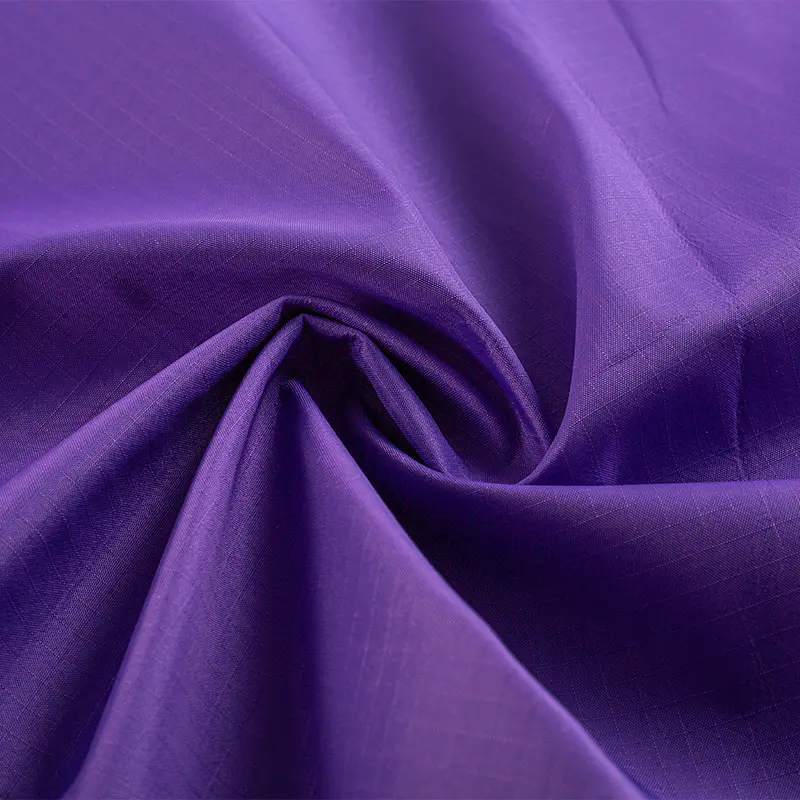
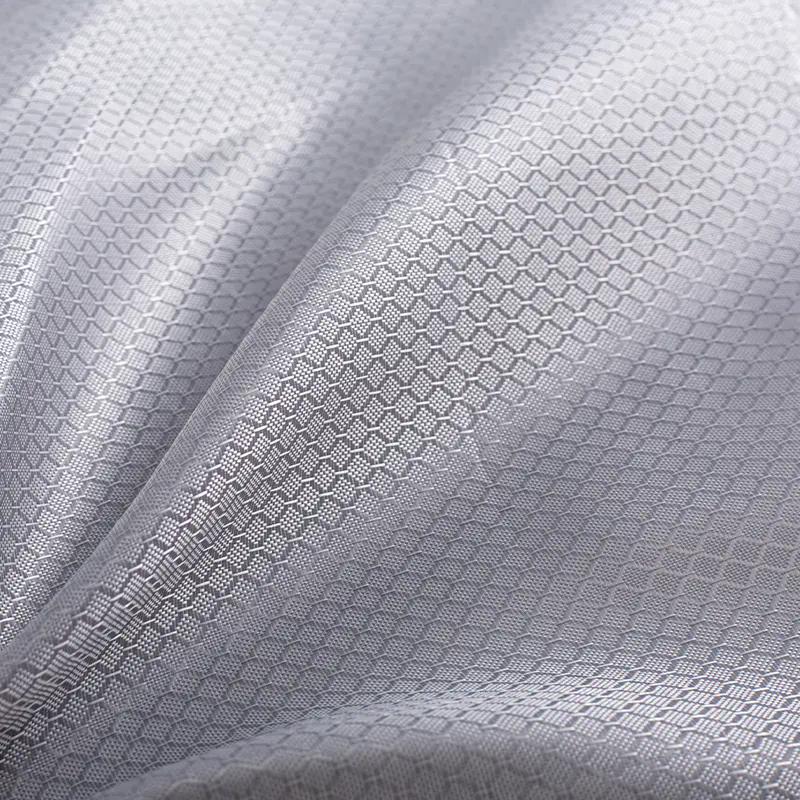
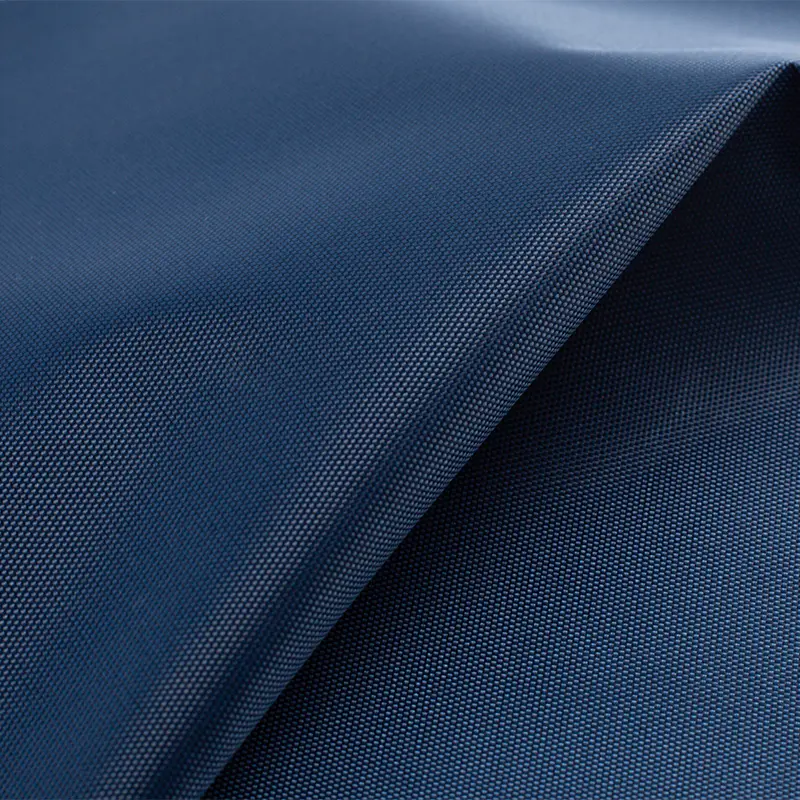
- Oxford Fabric: Oxford is a woven textile usually made from polyester, nylon, or other suitable fibers. Its weave gives it a distinctive surface. With the right yarn specifications and finishing, it can be developed for backpacks, luggage, outdoor equipment, and other durable products.
- Stretch Fabric: Stretch fabrics may contain elastane or use a construction that gives mechanical stretch. That flexibility suits activewear, sportswear, fitted garments, and products that need freedom of movement.
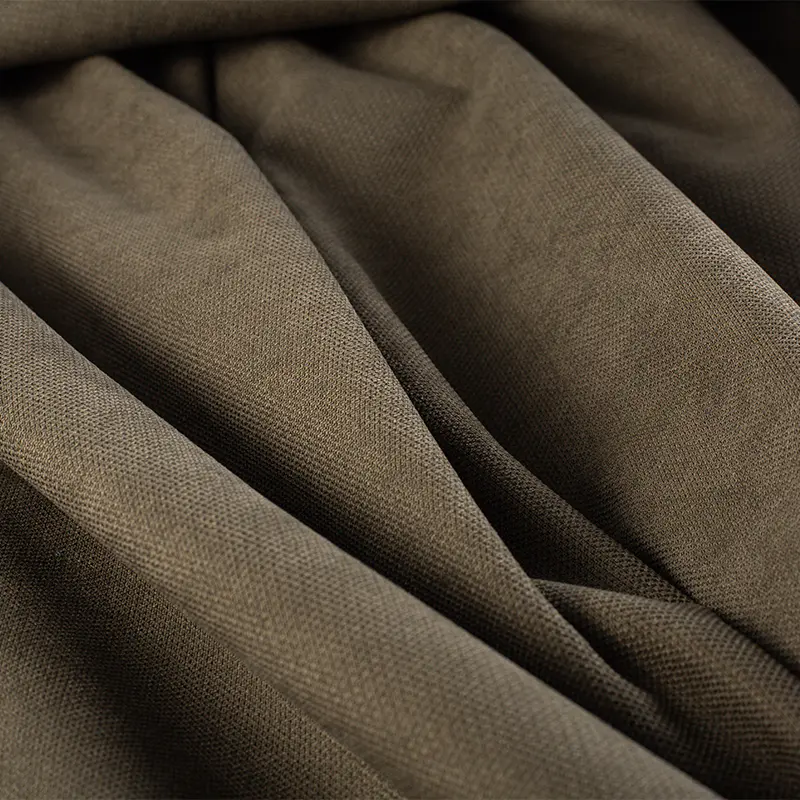
- Softshell Fabric: Softshell is a performance textile category for outdoor clothing and related uses. Depending on construction, it may combine a woven face, a stretch component, a membrane, or a fleece backing to balance flexibility, comfort, and weather resistance.
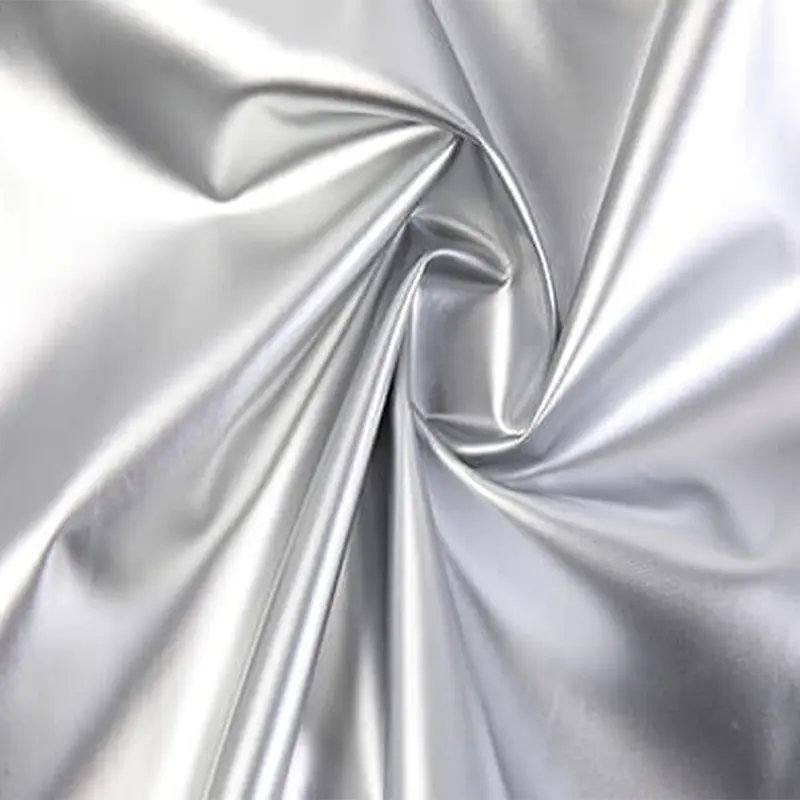
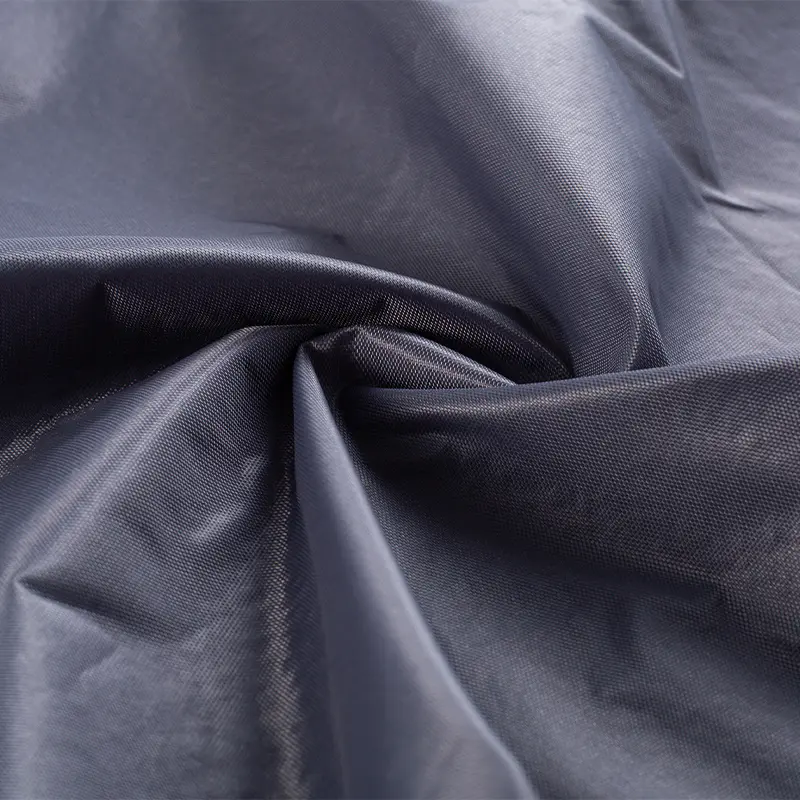
- Taffeta Fabric: Taffeta is typically a lightweight woven fabric with a fairly smooth surface. Polyester taffeta goes into linings, lightweight garments, decorative products, and some outdoor or accessory uses, depending on specification and finish.
- Pongee Fabric: Polyester pongee is a lightweight woven textile, often with a fairly soft hand and a fine surface texture. It appears in linings, umbrellas, lightweight accessories, and other uses where its weight and construction fit.
How Fabric Categories Relate to Applications
Fabric categories overlap. A polyester Oxford may also be a coated fabric. A stretch fabric may count as both an apparel textile and a performance fabric.
- Apparel fabrics: Chosen for comfort, drape, breathability, flexibility, appearance, and care requirements.
- Outdoor fabrics: Judged on abrasion resistance, weather exposure, weight, flexibility, and the protection level needed.
- Functional fabrics: Developed for specified properties such as stretch, water repellency, wind resistance, or moisture management.
- Industrial fabrics: Selected for application-specific needs, which may include strength, dimensional stability, filtration, or resistance to particular environments.
Sorting by these categories narrows the field before you compare detailed specifications.
How Is Fabric Produced? Key Processes and Customization Options
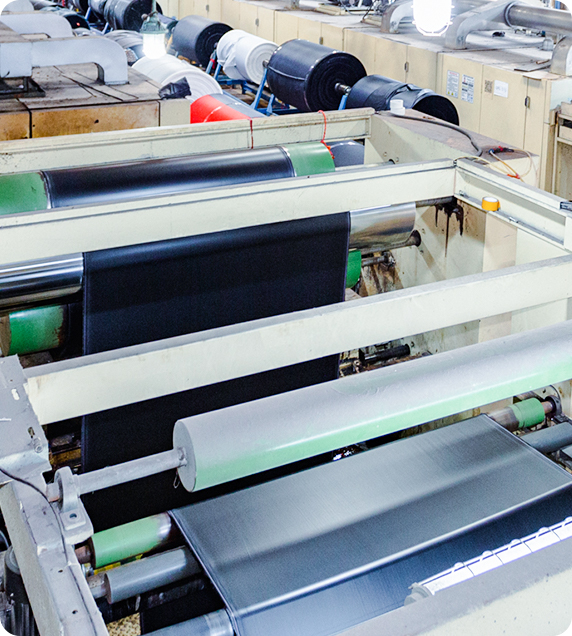
Fabric production is a chain of linked processes that turn fibers and yarns into textiles with set structures, looks, and performance. The exact route depends on the fiber, the construction, the application, and the finishing required.
For a fabric manufacturer, controlling these variables is what delivers consistent specifications and materials that meet different application needs.
Step 1: Raw Material and Yarn Selection
Fabric properties start with fibers and yarns. Polyester, nylon, cotton, and blends differ in strength, moisture behavior, flexibility, surface feel, and care needs.
Yarn specifications matter just as much. Yarn count, filament structure, twist, and arrangement affect thickness, texture, density, and appearance. Different polyester yarn specifications, for example, can produce anything from lightweight taffeta to heavier Oxford.
Step 2: Weaving, Knitting, or Nonwoven Formation
The construction process decides how fibers or yarns are arranged.
| Production method | How it works | Typical considerations |
| Weaving | Interlaces warp and weft yarns | Structural stability, weave pattern, density, surface appearance |
| Knitting | Forms interconnected loops from yarns | Stretch, flexibility, drape, dimensional stability |
| Nonwoven Formation | Bonds or interlocks fibers into a web | Fiber distribution, porosity, strength, intended functional properties |
The right method follows the end use. Woven fabrics are common in bags, outerwear, and many technical textiles. Knits dominate flexible garments. Nonwoven production serves applications that need specific web structures or fiber-bonding traits.
Step 3: Dyeing and Printing
Dyeing and printing set the color and the visual design.
- Yarn dyeing: Yarns are colored before the fabric is formed, which suits certain striped, checked, and patterned textiles.
- Piece dyeing: Fabric is dyed after weaving or knitting to get an overall color.
- Fabric printing: Patterns or designs are applied to the surface with a suitable printing process.
Color consistency depends on fiber composition, dye selection, processing conditions, and finishing. Different fibers may need different dyeing methods, so match the process to the material.
Step 4: Fabric Finishing and Functional Treatments
Finishing changes appearance, hand feel, surface character, or function.
- Water-Repellent Finishing: Reduces the tendency of liquid water to spread across or enter a treated surface under specified conditions. Water repellency does not make a fabric waterproof.
- Coating: Applies a layer of material to the fabric surface to change water resistance, surface feel, or barrier performance. Results depend on the coating material, the application method, and the fabric construction.
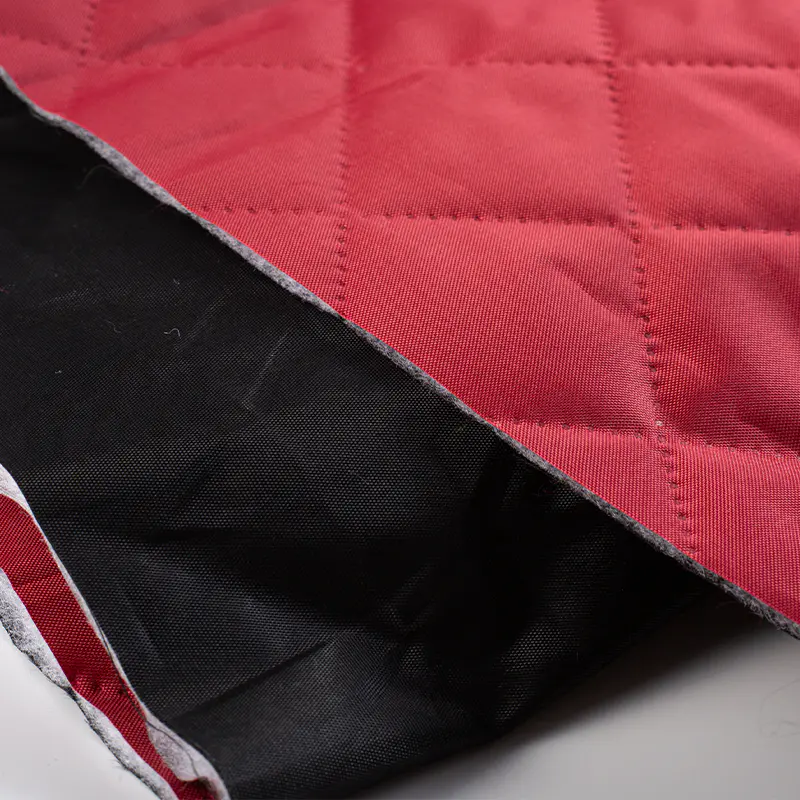
- Lamination: Bonds two or more layers into a composite textile. The result may pair a face fabric with a functional film or another textile layer.
- Brushing: Mechanically raises fibers on the surface for a softer or more textured finish. The outcome depends on the fiber, the fabric structure, and the brushing intensity.
These treatments are not interchangeable. Pick a finish by required performance, fabric compatibility, intended use, and relevant testing criteria.
Step 5: Quality Inspection and Performance Evaluation
Quality control checks whether a finished fabric meets its defined specifications. Depending on the product, inspection may include:
- Fiber composition and yarn specification checks
- Fabric width, weight, thickness, and dimensional measurements
- Color consistency and visual defect inspection
- Tensile strength, tear strength, or abrasion resistance testing where relevant
- Stretch and recovery evaluation for stretch textiles
- Water resistance or other functional tests when the application requires them
Choose test methods and acceptance criteria to fit the fabric type and application. Do not assume any result without supporting test data.
What Is Custom Fabric Production?
Custom fabric production means developing or adjusting textile specifications for a defined application. Rather than picking a fabric by its general category, the process looks at material, construction, appearance, and performance together.
Typical customization parameters:
- Fiber composition: Polyester, nylon, cotton, elastane, or suitable blends.
- Yarn specifications: Yarn type, count, and construction.
- Fabric construction: Weave structure, knit structure, or other formation methods.
- Fabric weight and width: Target weight and usable width for the product.
- Color and pattern: Specified colors, printed designs, or woven patterns.
- Surface treatments: Coating, lamination, brushing, and other compatible finishes.
- Performance requirements: Defined targets for stretch, abrasion resistance, water repellency, or other properties.
A practical development process begins with a clear application brief. Then come specification review, sample evaluation, process adjustment where needed, and confirmation of quality requirements.
For a fabric manufacturer, the key is how these variables interact. Changing a yarn, a coating, or a construction can shift other properties, so test the finished material against its intended requirements.
How to Choose the Right Fabric for Different Applications
Start by identifying the conditions the finished product will face. A fabric that suits lightweight clothing may lack the abrasion resistance a travel bag needs. A dense coated fabric may be wrong for a product that prizes softness and breathability.
A structured review of fiber composition, construction, weight, finishing, and functional needs narrows the options.
Step 1: Define the Intended Application
Begin with the product category, the operating environment, and the expected service conditions.
| Application | Key factors to evaluate | Fabric categories to consider |
| Apparel and Sportswear | Comfort, stretch, breathability, drape, care requirements | Polyester fabrics, stretch fabrics, knitted fabrics, selected softshell fabrics |
| Bags and Luggage | Abrasion resistance, tear strength, weight, dimensional stability | Oxford fabrics, nylon fabrics, suitable coated fabrics |
| Outdoor Equipment | Weather exposure, durability, weight, flexibility | Oxford fabrics, coated fabrics, selected technical textiles |
| Linings and Lightweight Accessories | Weight, surface feel, color, flexibility | Polyester taffeta, pongee, other lightweight woven fabrics |
| Industrial Applications | Application-specific strength, barrier, filtration, or environmental needs | Suitable woven, knitted, nonwoven, or coated technical textiles |
These are starting points, not fixed recommendations. Final suitability depends on product design, fabric specifications, and conditions of use.
Step 2: Compare Fiber Composition and Fabric Construction
Evaluate fiber and construction together, not separately.
Polyester, for example, appears in lightweight taffeta, textured Oxford, and stretch blends. These share a fiber family yet can differ a great deal in weight, flexibility, surface, and function.
When comparing fabrics, consider:
- Strength and durability: Can the fabric handle the expected tensile, tear, and abrasion loads?
- Comfort and moisture behavior: Check breathability, moisture absorption, and surface feel where they matter.
- Flexibility and recovery: Does the material need to stretch and return toward its original size?
- Dimensional stability: Must the fabric hold its dimensions through use, care, or later manufacturing?
- Appearance and drape: Look at texture, gloss, stiffness, and how the fabric behaves in the finished product.
The right balance depends on the application. No single fiber or construction suits every product.
Step 3: Understand Fabric Weight, Thickness, and Density
Weight, thickness, and density describe different things. Do not treat them as interchangeable.
- Fabric weight: Usually given in grams per square meter (GSM). It measures mass per unit area.
- Fabric thickness: The distance between the fabric surfaces under specified measurement conditions.
- Fabric density: In wovens, often the number of warp and weft threads per unit length. Other structures describe density in other ways.
A higher GSM means more mass per unit area. It does not automatically mean more strength, durability, or thickness. Yarn construction, fiber properties, weave structure, and finishing all shape how these numbers relate to real performance.
When comparing samples, use consistent measurement methods and review the specifications that matter for the application.
Step 4: Evaluate Functional Requirements and Finishing
Define functional properties in measurable terms wherever you can.
For outdoor use, water repellency, waterproof performance, wind resistance, and breathability may all matter, and they are different things. A water-repellent finish helps water bead on the surface. Waterproof performance depends on the fabric structure, any membrane or coating, the seam construction in the finished product, and the applicable test criteria.
Bags and luggage lean on abrasion resistance, tear strength, and dimensional stability. Sportswear may need more attention on stretch and recovery, comfort, and moisture management.
A useful evaluation runs like this:
- Identify the performance requirements of the finished product.
- Determine which fabric characteristics contribute to each requirement.
- Check the technical specifications and available test results.
- Evaluate samples under conditions that represent the intended use.
- Confirm that the chosen finishes are compatible with the fabric and the manufacturing process.
This lowers the risk of picking a fabric from a general product name without checking what it actually does.
Step 5: Assess Customization and Manufacturing Compatibility
Custom fabric production may fit when standard specifications do not fully meet an application's needs.
Before developing a custom material, clarify:
- Required fiber composition and fabric construction
- Target GSM, thickness, and usable width
- Color, pattern, texture, and surface appearance
- Functional finishing requirements and relevant test methods
- Compatibility with cutting, sewing, lamination, coating, or other downstream processes
- Sample evaluation criteria and acceptable specification tolerances
A bag manufacturer, for instance, may need a polyester Oxford with a defined weight, color, and coating. An activewear manufacturer may need a polyester-spandex fabric with specified stretch and recovery.
These examples show why development should start from the finished product's requirements, not from a generic request for one material.
A Practical Fabric Selection Checklist
Use this checklist when you evaluate fabric products for a new application:
- Define the finished product and its operating environment
- Confirm fiber composition and fabric construction
- Specify target GSM, width, thickness, and other relevant dimensions
- Identify required functional properties and test methods
- Review color, pattern, texture, and finishing requirements
- Evaluate samples and confirm compatibility with downstream manufacturing
- Establish acceptable quality criteria before production
A consistent checklist keeps comparisons tied to measurable requirements, material compatibility, and what the finished product really needs.
A good fabric choice rests on understanding how fiber composition, construction, weight, and finishing shape performance. Polyester Oxford fabric, lightweight taffeta, stretch fabrics, softshell textiles, and other technical materials each serve different purposes. Yongda-Tex's fabric product range is a place to start exploring materials for apparel, outdoor products, accessories, and other uses.
Define the specifications you need and test samples against the intended use. That shows manufacturers which fabric options fit, and whether custom fabric production makes sense for their product.
 479067683@qq.com
 +86 - 512-63516211
 +86 - 15895525966
 Group 9, Qianzhuang Village, Shengze Town, Wujiang District, Suzhou City, Jiangsu Province, China
