


 English
 русский
 Products CENTER

 Nov 27, 2026
 Industry News
Pongee and Taslan Fabrics: Materials, Features, and UV-Resistant Applications
Fiber names only tell part of the story. Pongee and Taslan differ in yarn character, surface texture, and typical construction. Polyester simply names the fiber behind either one. Finishes such as anti-UV treatments and functional coatings then change how the cloth behaves outdoors. Once you see these layers clearly, it becomes easier to pick materials for jackets, sportswear, windbreakers, and other products where weight, comfort, durability, and weather resistance all have to work together.
What Are Pongee and Taslan Fabrics? Materials, Construction, and Common Uses
What Is Pongee Fabric?
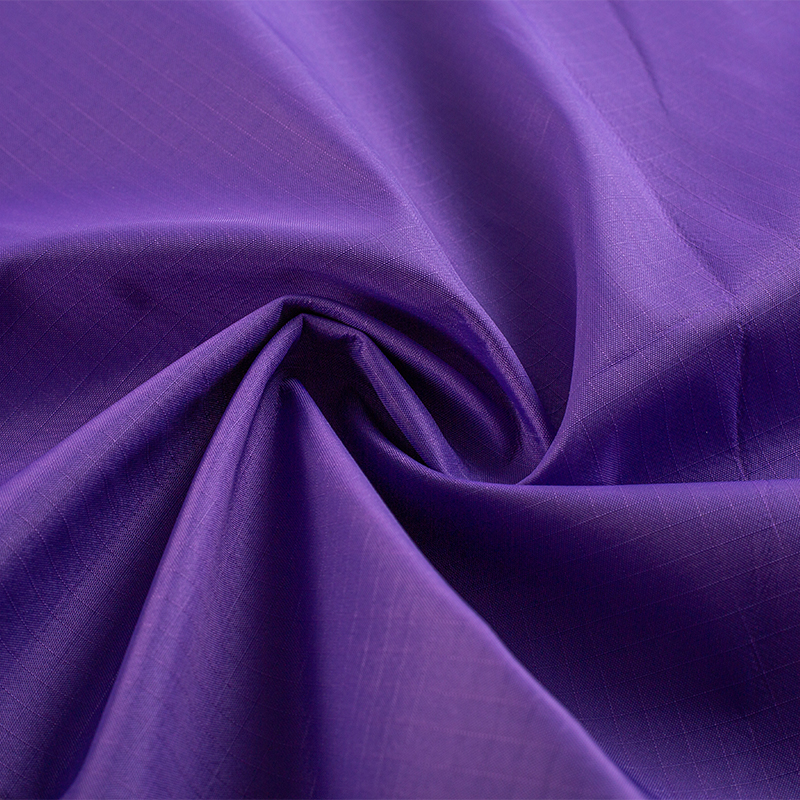
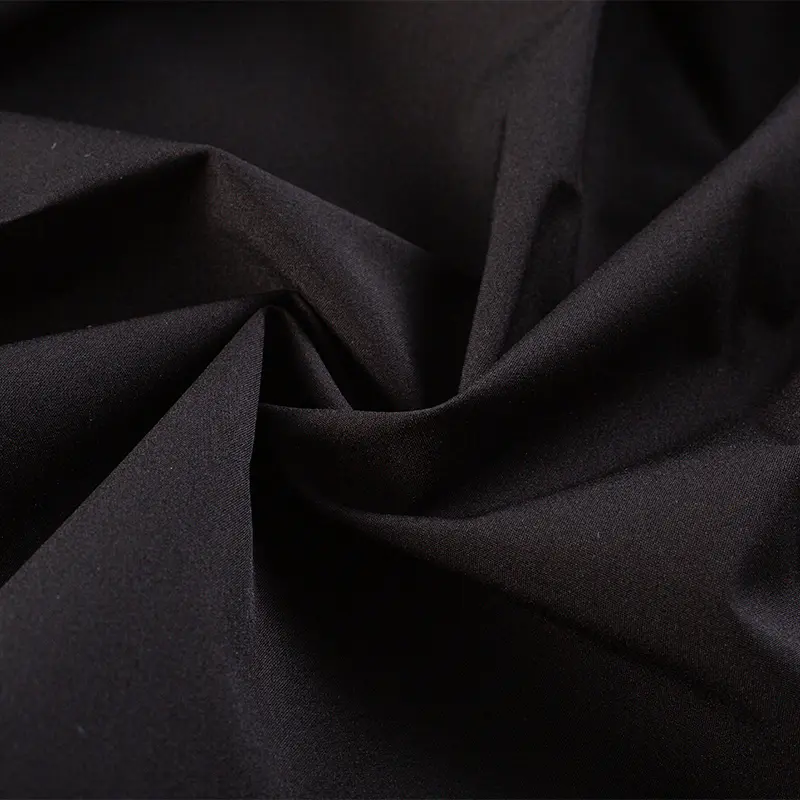
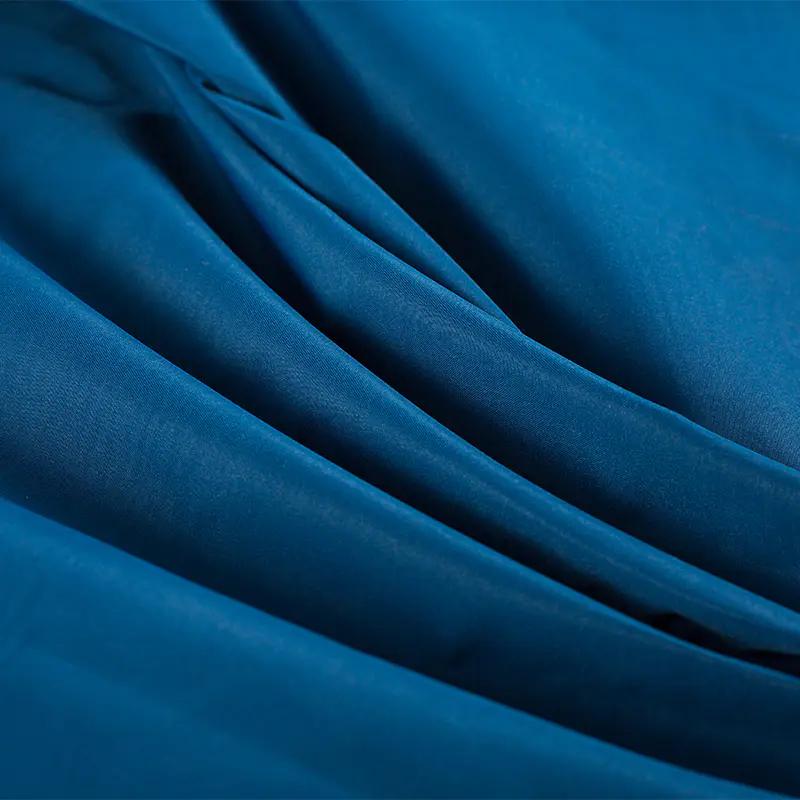
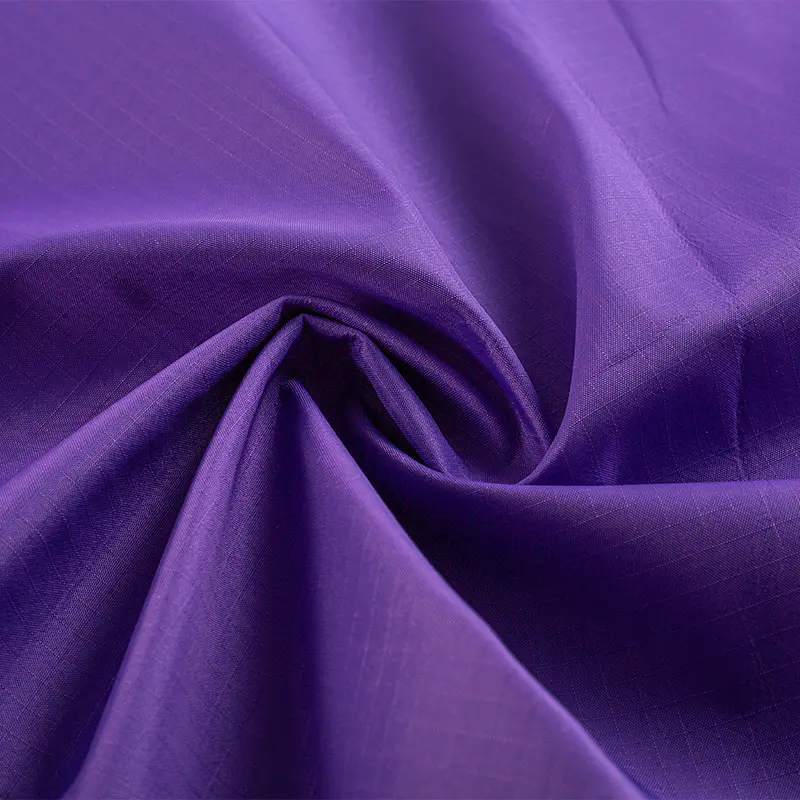
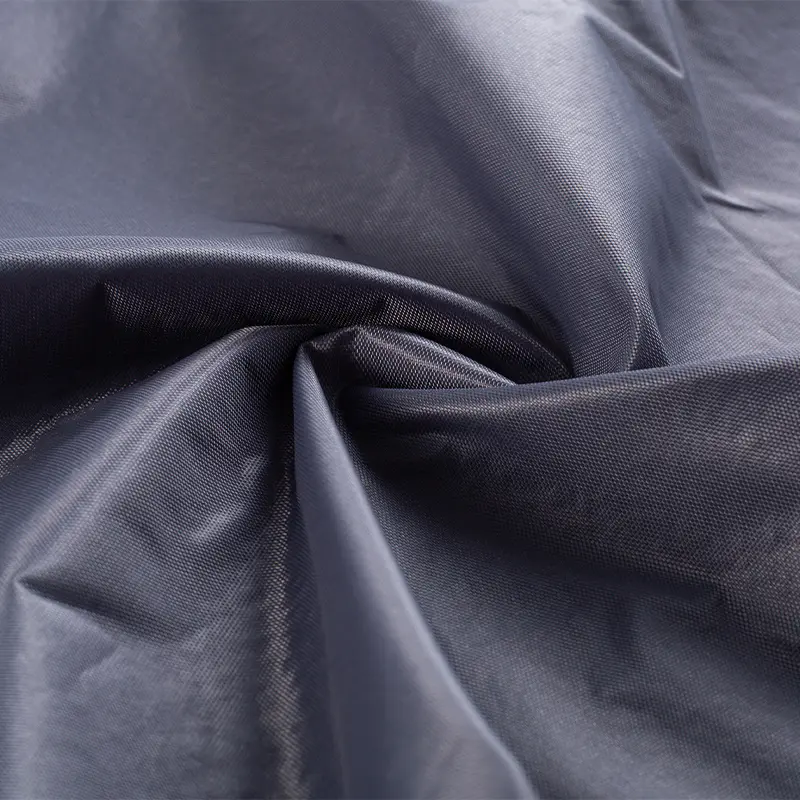
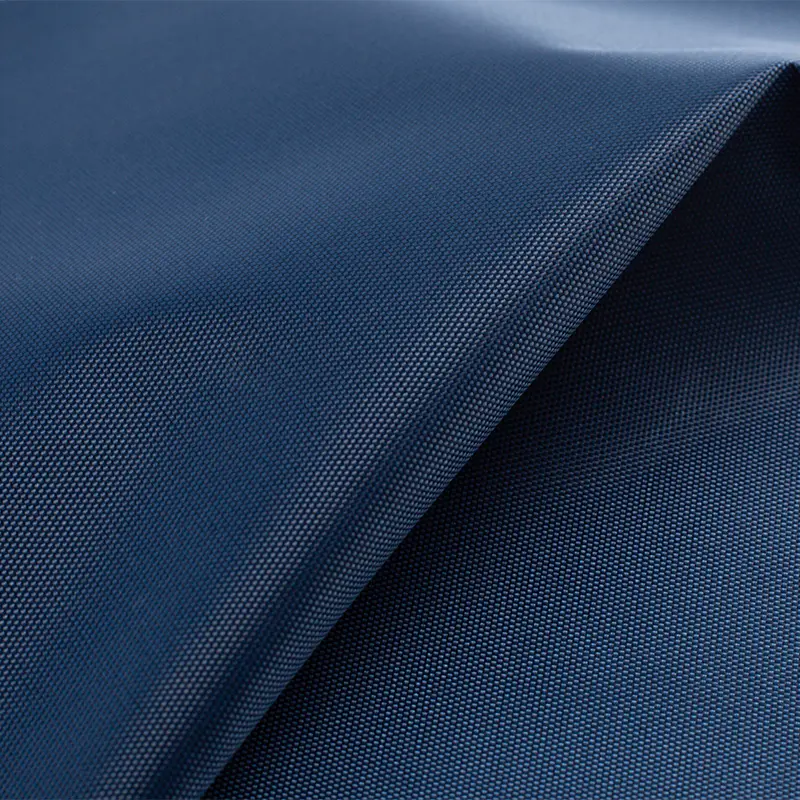
Pongee is a lightweight woven textile with a smooth surface, a fairly soft hand, and a fine construction. In modern performance textiles, polyester pongee is the form you will meet most often. Its behavior depends on yarn type, fabric density, weave, weight, dyeing, and finishing.
Polyester pongee is often woven from filament yarns, and some constructions use textured polyester yarns. It can be made in various weights and finishes for garment shells, linings, windbreakers, and other light textile uses.

The name "pongee" does not mean waterproof or UV resistant. A tight weave may resist some wind or moisture. When you need a specific level of protection, extra finishing or a coating is usually required.
What Is Taslan Fabric?
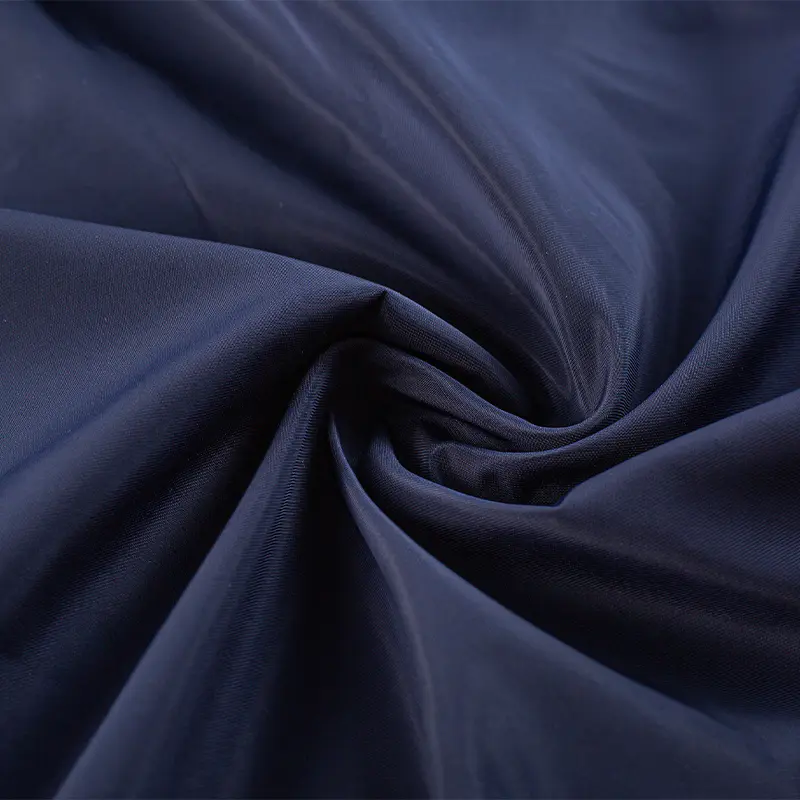
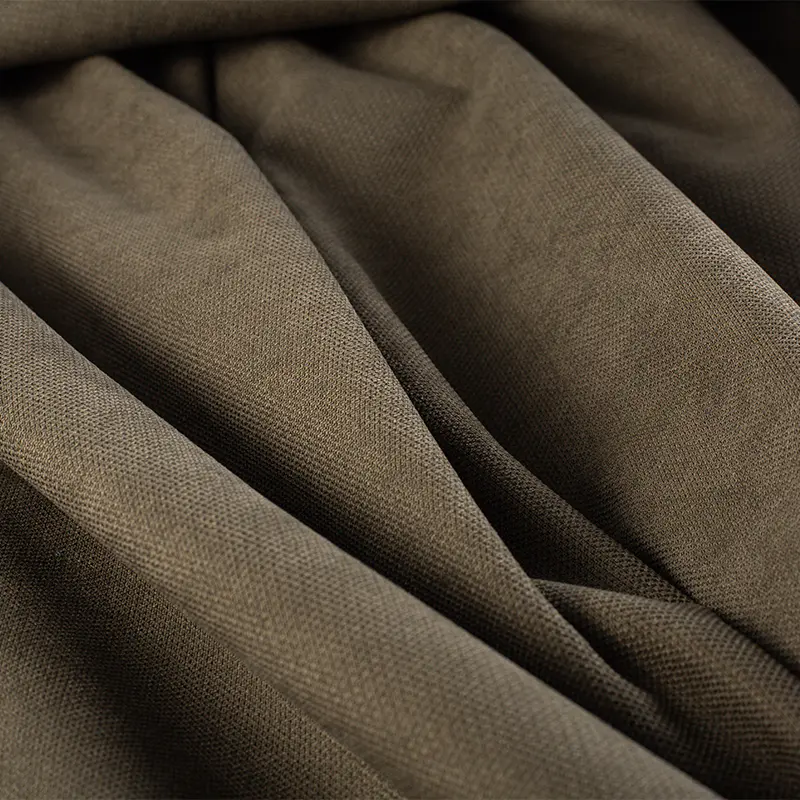
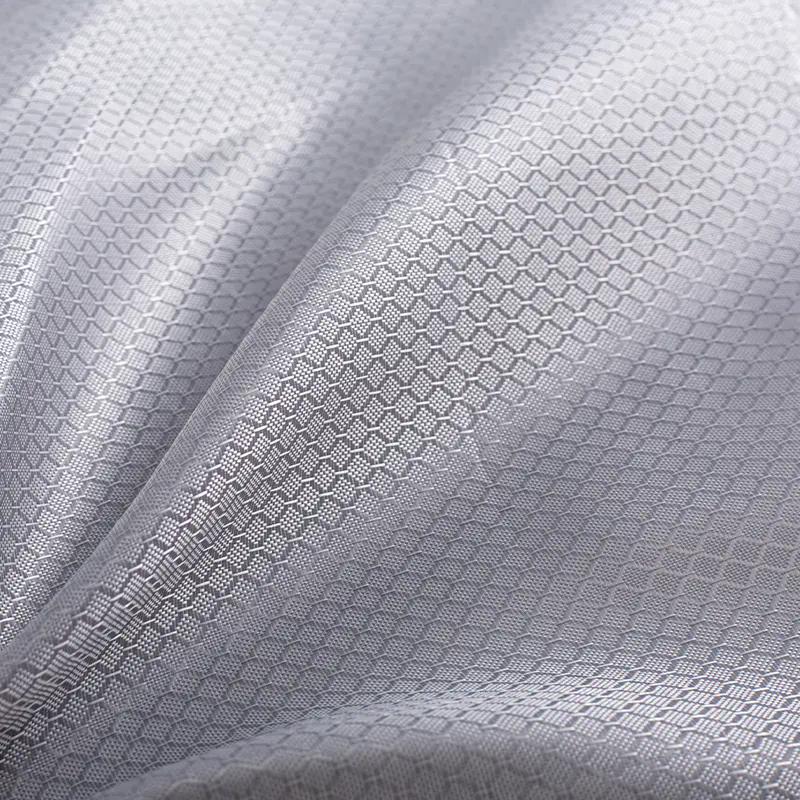
Taslan is a woven fabric category linked to textured filament yarns, especially air-textured ones. Texturing makes the yarn look fuller and gives the cloth a softer, less slippery surface than many smooth filament fabrics.
Makers produce Taslan from nylon or polyester, depending on the end use. The surface often looks matte and feels more substantial, though the real texture varies with yarn specification, weave, and finishing.
Polyester Taslan works in outdoor jackets, sportswear, windbreakers, uniforms, and other functional garments. With the right finishing, some Taslan fabrics can also be made water repellent or given added weather protection. Confirm those properties for the specific fabric. The Taslan name alone proves nothing.
Pongee, Taslan, and Polyester: What Is the Difference?
The three terms describe different things about a textile:
- Pongee points to a woven fabric category tied to a particular construction, yarn combination, or trade description.
- Taslan points to a textured-yarn fabric category, especially one made with air-textured filament yarns.
- Polyester names a synthetic fiber. It can make pongee, Taslan, and many other woven and knitted fabrics.
Keep this in mind when you read a specification. "Polyester Taslan" or "polyester pongee" tells you the fiber and the category. It does not tell you weight, surface feel, water resistance, UV protection, or durability.
| Fabric category | What the term describes | Typical characteristics | Common applications |
| Polyester Pongee | A woven fabric category commonly made from polyester | Often lightweight, with a smooth surface and flexible construction | Jacket shells, linings, windbreakers, lightweight outdoor textiles |
| Taslan Fabric | A fabric category tied to textured filament yarns | May have a fuller texture, matte look, and soft hand feel | Outdoor jackets, sportswear, uniforms, functional outerwear |
| General Polyester Woven Fabric | A woven textile made from polyester fibers or yarns | Varies widely with yarn, weave, density, and finishing | Apparel, linings, bags, outdoor products, other textile uses |
The categories overlap, since polyester can be used in both pongee and Taslan. For accurate selection, check composition, yarn type, construction, weight, and finish. Do not rely on the product name.
Where Are Pongee and Taslan Fabrics Used?
Both fabrics appear across apparel and functional textiles.
- Windbreakers and lightweight jackets: Pongee suits designs that want a light, smooth shell. Taslan fits when you want a fuller texture or a more substantial hand.
- Outdoor jackets: The right fabric depends on the weather, the garment construction, and the protection level needed.
- Sportswear: Weight, flexibility, comfort, and moisture management guide the choice for either category.
- Uniforms and workwear: Consider expected abrasion, movement, environmental exposure, and care requirements.
- Linings and lightweight textile components: Polyester pongee works where a smooth, light woven material fits.
These are examples, not fixed rules. Base the final choice on the actual construction and the performance the finished product needs.
Features of Pongee and Taslan Fabrics: UV Resistance, Coatings, and Performance
Key Features of Pongee and Taslan Fabrics
Both fabrics can be developed for different performance goals. Their properties come from raw materials, yarn structure, weaving parameters, and finishing.
- Weight and flexibility: Light pongee constructions suit packable garments and shell layers. Taslan varies in weight and can feel fuller because of its textured yarns.
- Surface feel and appearance: Pongee tends to look smooth, and Taslan tends to show more texture. Neither description guarantees a given softness, sheen, or drape. Those depend on the specific construction and finish.
- Durability: Wear resistance, tear strength, and dimensional stability depend on yarn strength, density, weave, finishing, and care. Test them against the intended end use.
- Breathability and comfort: The fabric name does not set air permeability or moisture management. A dense weave or a coating changes how air and vapor move through. Garment design and lining matter too.
- Finishing versatility: Depending on the base fabric and process, polyester pongee and Taslan may come with dyeing, printing, water-repellent finishes, coatings, or other treatments. Confirm what is available for each product.
What Is Anti-UV Coated Fabric?
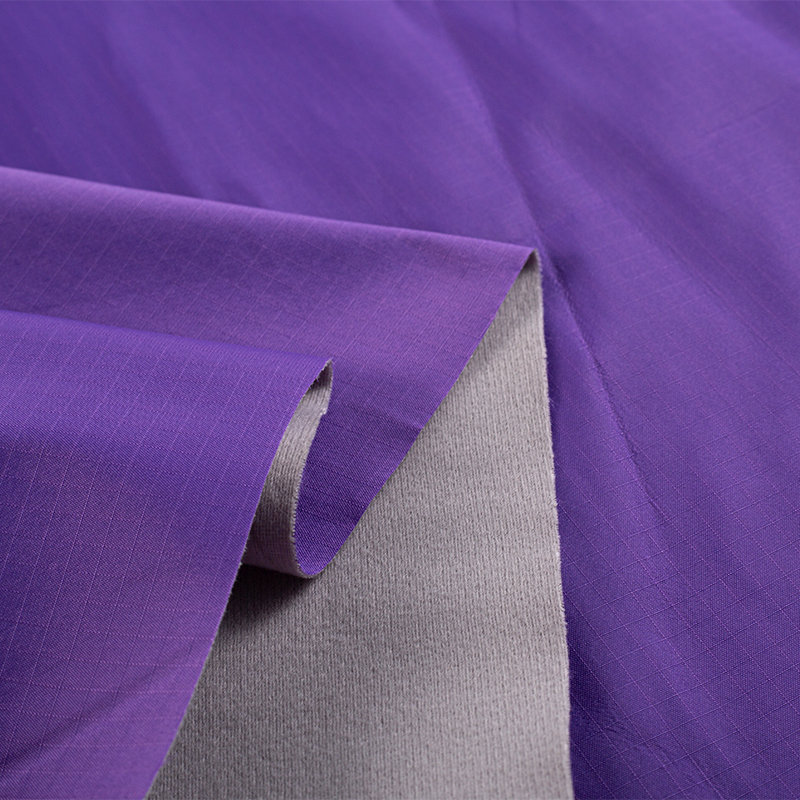
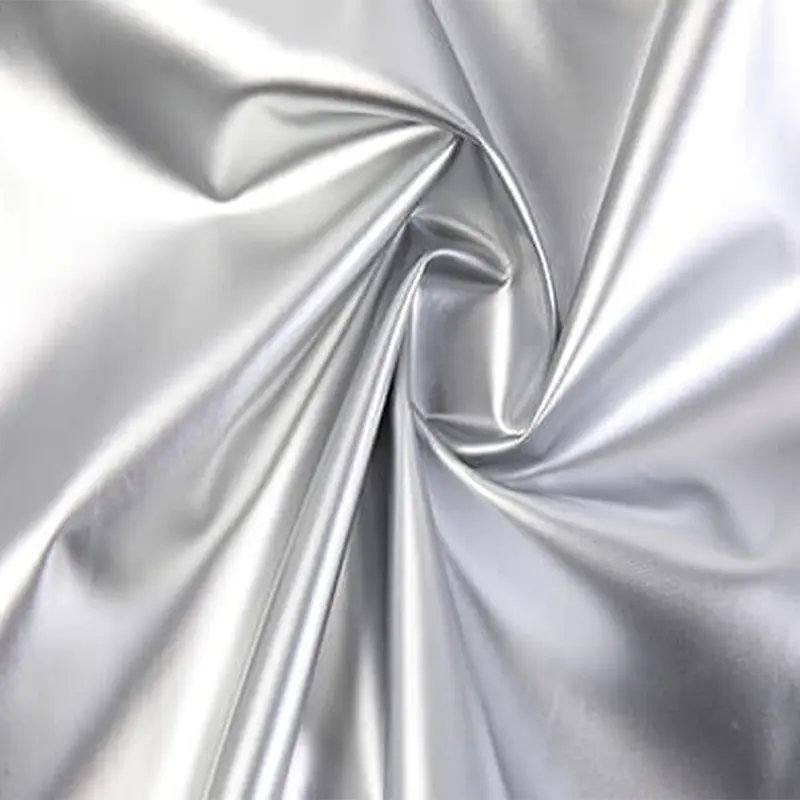
Anti-UV coated fabric has a coating or related treatment meant to reduce the ultraviolet radiation passing through. How well it works depends on the coating formulation, the application method, the fabric construction, and the conditions of use.
A coating can change how the fabric interacts with UV, but not every coating protects against it. A coating made mainly for water resistance should not be called an anti-UV finish.
Polyester pongee and Taslan can serve as base fabrics for functional development where compatible finishing systems exist. Verify the anti-UV coating on the specific product.
What Is UV Resistant Fabric, and How Does It Work?
UV resistant fabric is designed to limit UV transmission through the textile. Several factors affect performance:
- Fiber and material selection: The base polymer and any UV-related additives influence how the fabric responds to ultraviolet exposure.
- Fabric density and construction: Yarn spacing, thickness, and overall coverage change how much radiation gets through.
- Color and opacity: Dye color and opacity can influence UV transmission, but appearance alone cannot establish a reliable protection level.
- Finishing and coating: A suitable UV-protective treatment can help when correctly applied and verified.
- Use and maintenance: Wear, stretching, washing, and coating breakdown can reduce performance over time, depending on the textile system.
When you need quantified UV protection, support the claim with test results. For clothing, the Ultraviolet Protection Factor (UPF) is one measure of how well a textile limits UV transmission under a specified test method. Do not assign a UPF value without supporting test data.
UV Resistance, Water Repellency, and Waterproof Performance
These terms describe different functions. Keep them separate.
- UV resistance: The textile's ability to limit UV transmission or withstand UV exposure, depending on the claim and test method.
- Water repellency: A surface's ability to make water droplets bead and roll off. A surface finish usually provides it.
- Waterproof performance: Resistance to liquid water penetration under specified conditions. It may depend on a coating or membrane, the fabric construction, and the integrity of the finished product.
A fabric can repel water without being waterproof. A waterproof coating does not automatically block UV. If a product needs both weather resistance and UV protection, specify and assess each requirement on its own.
Common Coatings and Functional Finishes
Polyester fabrics can receive different finishing systems depending on the application.
- Water-repellent finishes: Make water bead on the surface. Effectiveness and durability depend on the treatment and on care conditions.
- PU coatings: Polyurethane coatings can improve resistance to water penetration when formulation and application are suitable.
- UV-related finishes or coatings: Meant to reduce UV transmission, subject to the particular technology and verified performance.
- Other surface treatments: Dyeing, printing, and further finishes can meet appearance or functional needs.
These treatments are not interchangeable. Choose by application, required performance, hand feel, flexibility, maintenance needs, and compatibility with the base fabric.
Comparing Pongee, Taslan, and UV-Related Fabrics
| Fabric type | Main purpose or characteristic | What to verify | Potential applications |
| Standard Pongee Fabric | Lightweight woven construction with a generally smooth surface | Fiber composition, weight, density, hand feel, finish | Lightweight jackets, linings, windbreakers |
| Taslan Fabric | Textured-yarn construction that can give a fuller surface feel | Yarn type, weave, weight, durability, finishing | Outdoor apparel, sportswear, uniforms |
| Anti-UV Coated Fabric | Fabric with a coating meant to reduce UV transmission | Coating type, UV test method, results, durability | Outdoor clothing and other products needing UV protection |
| UV Resistant Fabric | Textile designed to limit UV transmission or meet a defined UV-related requirement | Test results, applicable rating system, intended use | Garments and functional textiles exposed to sunlight |
These categories overlap. Polyester pongee or polyester Taslan may serve as the base for a UV-related finish, provided the material and the treatment are compatible.
How to Choose the Right Fabric for Your Application
Define the product's use and operating conditions first, then work through these steps:
- Identify the end product. A lightweight windbreaker, an outdoor jacket, and a uniform each need a different mix of weight, texture, durability, and weather resistance.
- Determine the preferred hand feel. Compare the smoother surface typical of pongee with the more textured feel typical of Taslan.
- Specify functional requirements. State whether you need water repellency, waterproofing, UV protection, breathability, or a combination.
- Confirm construction and composition. Review fiber content, yarn type, weave, weight, width, and any coating or finishing process.
- Request technical evidence where needed. If UV protection, water resistance, or durability is critical, judge the fabric by its specifications and test results.
- Consider garment manufacturing and maintenance. Check how the material behaves in cutting, sewing, finishing, washing, and daily use.
A clear specification keeps the commercial name from being mistaken for actual performance. It also makes it easier to compare similar materials and decide whether a construction fits the product.
Pongee and Taslan differ in construction and surface character, and polyester is the fiber that can be used in either. Anti-UV coatings and UV-resistant treatments add another functional layer, but you should evaluate their effectiveness separately from water resistance and general durability. Define the end use, review the textile construction, and verify the performance requirements that matter.
That gives fabric developers a solid footing for exploring Pongee, Taslan, and related functional fabrics from Yongda-Tex.
 479067683@qq.com
 +86 - 512-63516211
 +86 - 15895525966
 Group 9, Qianzhuang Village, Shengze Town, Wujiang District, Suzhou City, Jiangsu Province, China
