


 English
 русский
 Products CENTER

 Nov 27, 2026
 Industry News
Oxford Fabrics: Types, Features, and Fabric Selection Guide
Two Oxford fabrics can look almost identical and still behave very differently. Fiber type, weave structure, fabric weight, and finishing all decide how the cloth performs. That applies to everyday bags and storage products as much as to outdoor gear. Polyester Oxford Fabric, Water Resistant Oxford Fabric, and Coated Oxford Fabric each bring their own traits, and each should be judged against the job it has to do. This guide helps manufacturers and product developers sort through those differences, set fabric specifications, and balance functional needs when choosing a material.
What Is Oxford Fabric? Types, Weaves, and Common Applications
What Is Oxford Fabric?
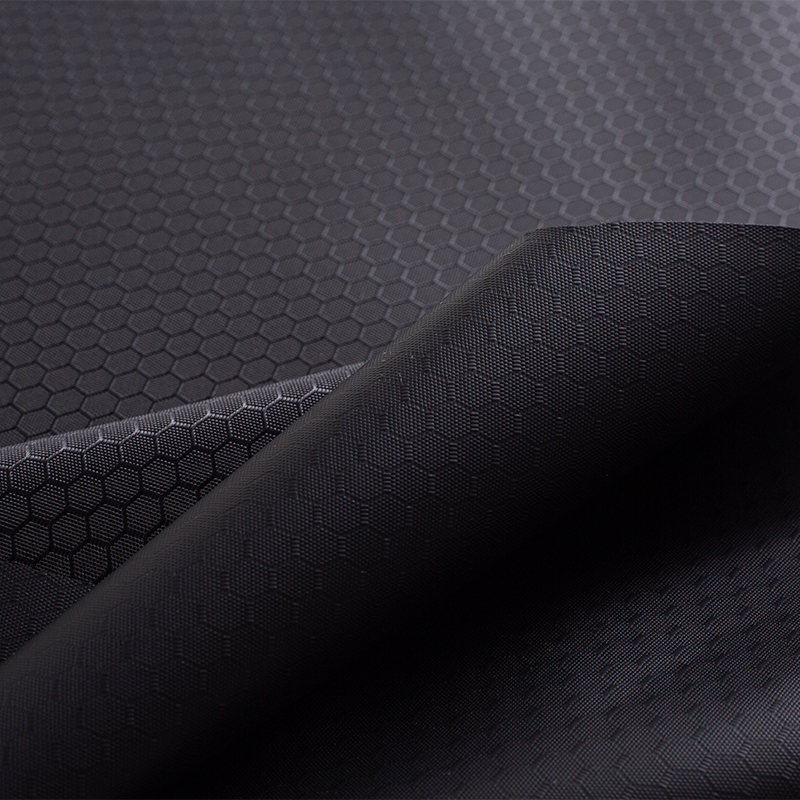
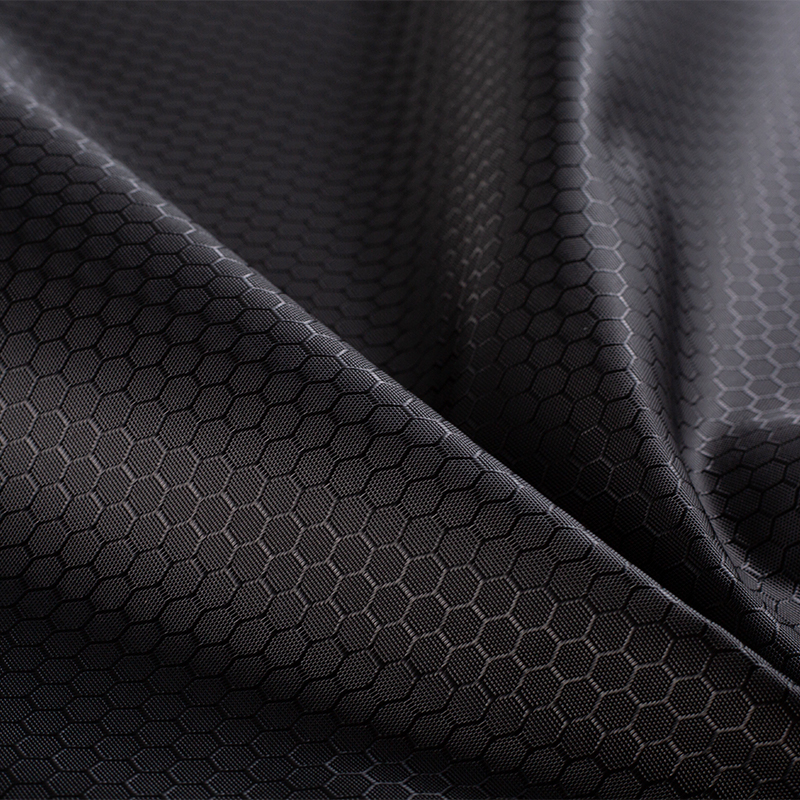
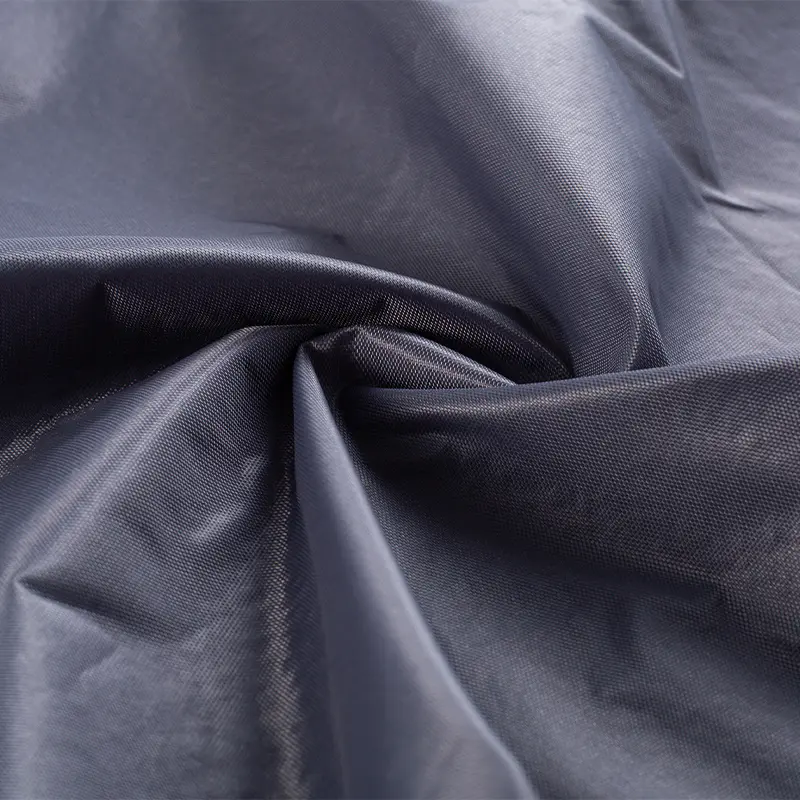
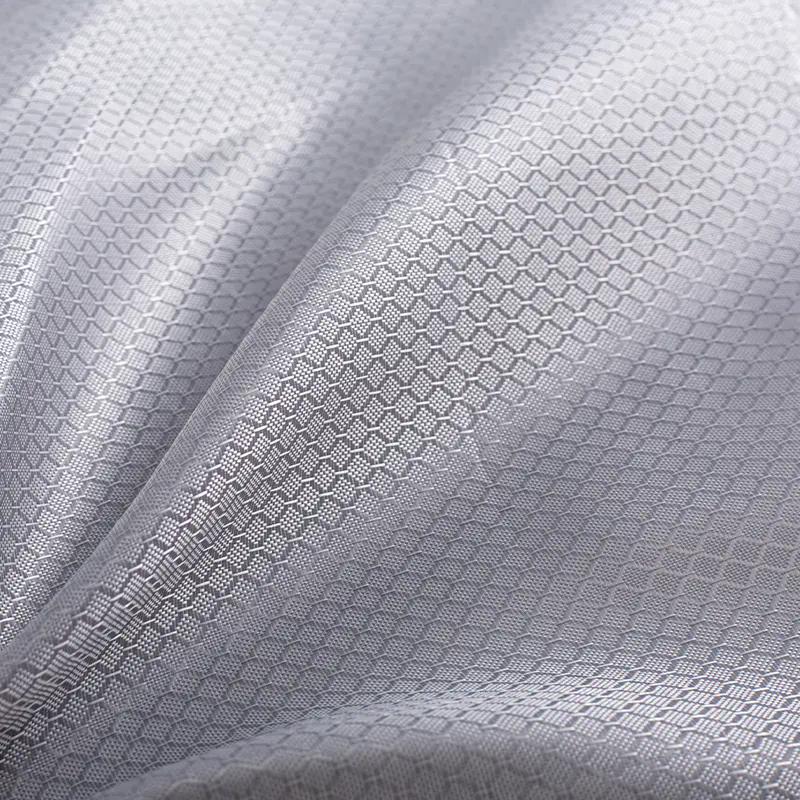
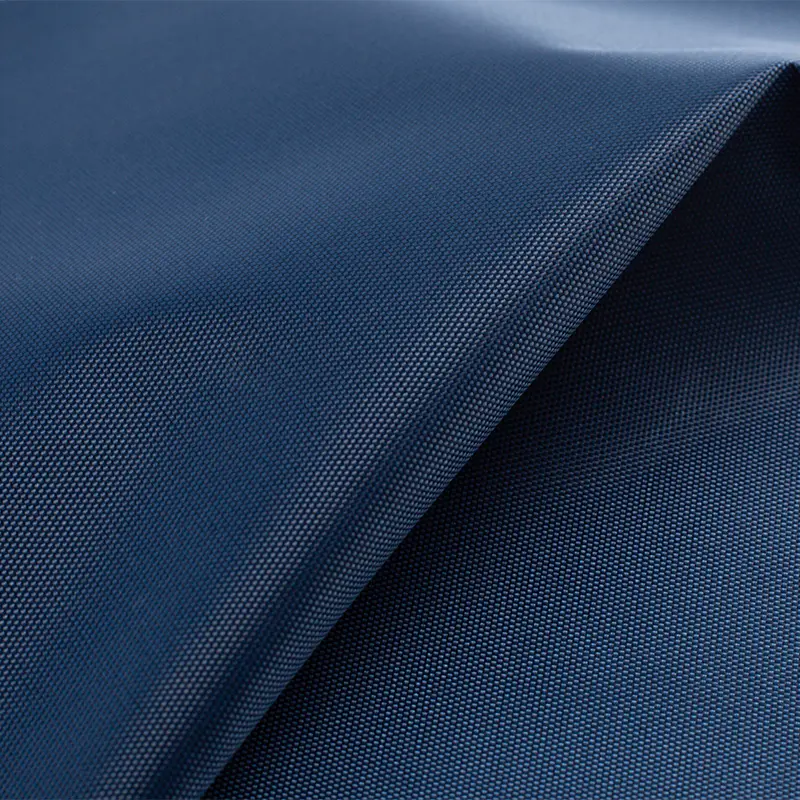
Oxford fabric is a woven textile best known for its basket-like weave, though the exact construction differs from one design to another. Warp and weft yarns are interlaced to form a structured surface that works across many textile products.
Polyester is the usual fiber choice. It gives a good mix of strength, dimensional stability, low moisture uptake, and easy care. Yarn specifications, density, weight, color, and surface finish can all be changed to fit the application.

One point is easy to miss. "Oxford" names a kind of woven cloth. It does not promise any level of water resistance or durability. Real performance comes from the materials, the construction, the finishing, and the product specification.
Common Types of Oxford Fabric
Oxford fabrics can be grouped by fiber, by function, or by finish. The groups overlap, so they are not separate product lines.
- Polyester Oxford Fabric: Woven mainly from polyester yarns. Properties shift with yarn type, construction, weight, and finishing.
- Water Resistant Oxford Fabric: Treated or built to resist water penetration under specified conditions. Results depend on the treatment and the fabric structure.
- Coated Oxford Fabric: Carries an extra coating on one or both faces to change moisture resistance, surface feel, or protection.
- Uncoated Oxford Fabric: Has no added coating. It suits uses where the untreated or conventionally finished surface meets the product's needs.
A polyester Oxford can also be coated or treated for water resistance. Read these labels as overlapping traits of one material.
How Is Oxford Fabric Made?
Production usually moves through five stages:
- Yarn selection: Fiber type, yarn count, and yarn characteristics are chosen to match the target properties.
- Weaving: Warp and weft yarns are interlaced into the chosen Oxford weave.
- Dyeing and finishing: The cloth is colored and finished for the required look, hand feel, and surface.
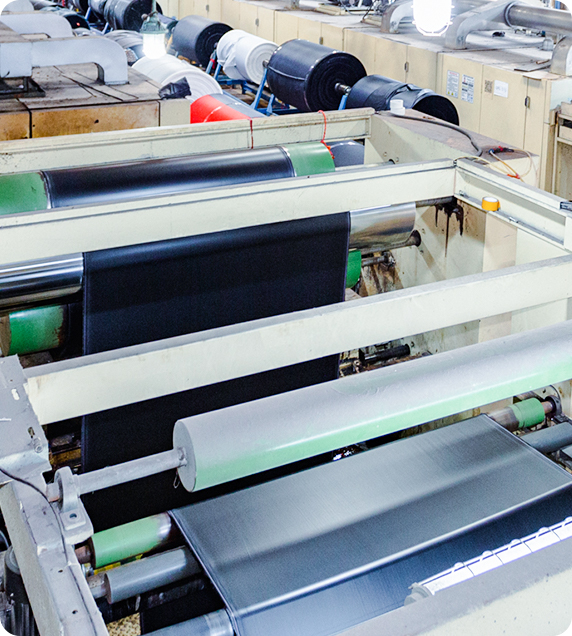
- Functional treatment: Depending on the specification, coatings or treatments may be added to change water resistance or other properties.
- Inspection and specification verification: Key characteristics are checked against the technical requirements.
The exact process depends on the fabric type and specification. Not every Oxford fabric needs a coating or a special treatment.
What Are the Common Applications of Oxford Fabric?
Oxford fabric turns up wherever its construction, weight, and finish suit the purpose.
- Bags and backpacks: Weight, abrasion resistance, flexibility, and appearance all count.
- Outdoor equipment: Water resistance, coating performance, and fit with the expected weather may drive the choice.
- Storage products: Weight, structure, surface durability, and easy upkeep matter.
- Protective covers: Moisture protection, strength, and exposure conditions should be weighed together.
- Other textile products: Many other uses are possible, depending on specifications and the demands of the finished item.
The application should guide the choice. The Oxford label by itself should not.
Features of Oxford Fabric: Water Resistance, Coatings, and Fabric Selection
Oxford fabric performs differently depending on fiber, weave, weight, and finishing. Knowing which factors matter helps when you compare options for bags, outdoor goods, storage, and other textile products.
Features of Polyester Oxford Fabric
Polyester Oxford is common in textile manufacturing because polyester brings several practical benefits.
- Strength and durability: These depend on yarn properties, weave construction, density, and finishing. They decide how well the cloth handles repeated use or friction.
- Dimensional stability: Polyester generally holds its shape well under suitable conditions.
- Moisture absorption: Polyester takes up little moisture compared with many natural fibers. That does not make the finished fabric waterproof.
- Versatile surface appearance: Yarns, weave structures, dyeing methods, and finishes can change texture, color, and feel.
- Flexible specification options: Weight, thickness, density, and finishing can be adjusted to product needs, within the manufacturer's production capabilities.
Look at the full specification, not fiber content alone. Two polyester fabrics can perform quite differently because of yarn construction, weave density, coating, and finishing.
Features of Water Resistant Oxford Fabric
Water Resistant Oxford Fabric is designed or treated to reduce water penetration under defined conditions. How well it does so depends on the construction and finishing of that particular fabric.
Makers can reach water resistance in different ways, mainly water-repellent surface treatments and coating systems. The results are not the same. A water-repellent finish makes water bead up on the surface. A waterproof coating aims to form a stronger barrier against penetration. Real performance depends on the fabric construction, the treatment, the test conditions, and any other components in the finished product.
When evaluating water-resistant Oxford, check these points:
- Surface water repellency: Does water bead up or spread out?
- Resistance to water penetration: Does the material reach the required protection level under specified test conditions?
- Finishing durability: How does the performance hold up after use, cleaning, or exposure?
- Seam and construction requirements: In finished goods, stitching, seams, closures, and openings can affect overall water protection.
- Intended environment: Light moisture and long exposure to rain or standing water call for different specifications.
"Water resistant" does not mean "waterproof." If you need a defined protection level, ask for technical specifications and test results.
Features of Coated Oxford Fabric
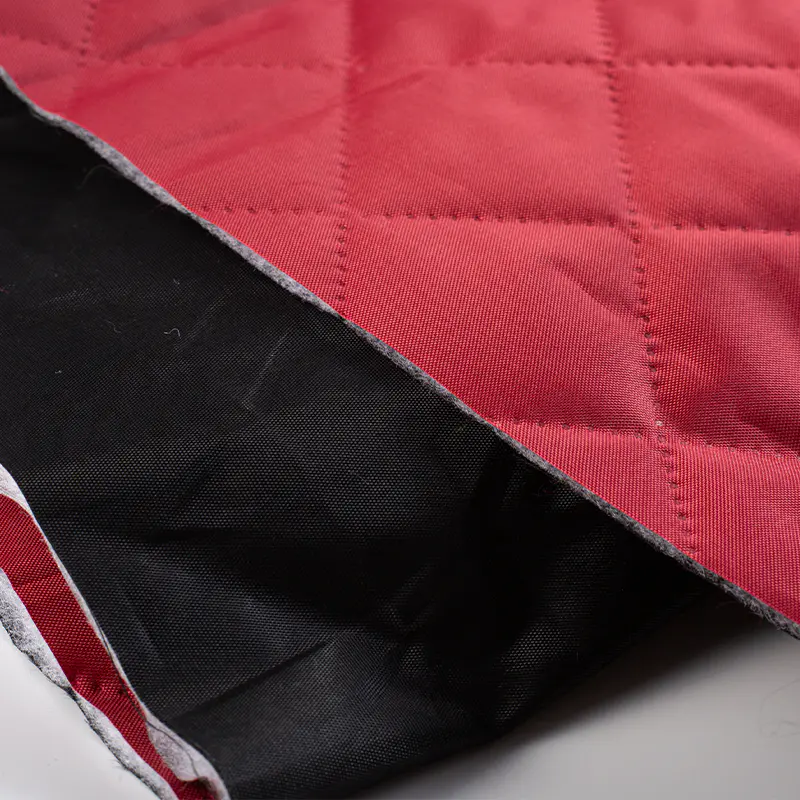
Coated Oxford fabric is an Oxford woven base with an added coating that changes its surface or function.
The coating can affect moisture resistance, surface texture, flexibility, thickness, and how the material behaves during fabrication. Final properties depend on the coating formulation, the application process, the coating thickness, and the base fabric.
Common considerations include:
- Moisture protection: Some coating systems cut water penetration when properly designed and tested.
- Surface characteristics: Coatings can change smoothness, texture, and appearance.
- Flexibility and handle: Different coatings give softer, firmer, or more structured results.
- Weight and thickness: A coating adds weight and thickness to the finished cloth.
- Fabrication compatibility: Check how well the material cuts, sews, folds, and handles other required processes.
Coated Oxford fabrics are not all alike. A coating alone does not establish a waterproof rating, abrasion resistance, or service life.
Differences Between Polyester, Water Resistant, and Coated Oxford Fabric
This comparison shows the main distinction between the three common terms.
| Fabric type | Classification basis | Main considerations | What to verify |
| Polyester Oxford Fabric | Fiber composition | Strength, weight, dimensional stability, surface appearance | Polyester content, yarn specifications, fabric weight, weave |
| Water Resistant Oxford Fabric | Functional performance | Resistance to surface wetting or water penetration | Treatment type, applicable water-resistance test, durability |
| Coated Oxford Fabric | Surface treatment | Moisture protection, texture, thickness, flexibility | Coating type, coating weight or thickness, relevant test results |
These categories can overlap. A polyester Oxford may also carry a water-resistant finish and a coating. The right description depends on the composition, the processing, and the verified performance.
How to Choose the Right Oxford Fabric
Start with what the finished product needs. Choosing by the fabric's name alone is risky, so work through the factors below.
- Define the intended application. Decide whether the cloth goes into a backpack, a storage organizer, an outdoor accessory, a protective cover, or something else. Each use needs its own balance of flexibility, strength, appearance, and moisture protection.
- Evaluate fabric weight and thickness. Weight sets the overall mass of the material. Thickness affects handling and behavior during fabrication. A heavier fabric is not automatically tougher or better for every job. The right spec depends on the product design and expected use.
- Check the weave structure and density. Yarn traits and weave density shape the surface, the hand feel, and the mechanical performance. Where abrasion resistance or structural support matters, review the actual specification and relevant test results.
- Determine the required water resistance. For products exposed to moisture, decide whether you need surface repellency or true resistance to penetration. Confirm the test method and performance criteria. A general product description is not enough.
- Compare coated and uncoated options. A coating can add useful properties. It can also change flexibility, weight, surface feel, and processing. Pick the finish that fits both the technical and the manufacturing requirements.
- Consider appearance and fabrication. Color, texture, flexibility, and compatibility with sewing or other assembly methods all affect the finished product. This matters most when the design has strict requirements.
- Verify the technical specifications. Before you commit, review the data on fiber composition, weight, thickness, coating, finishing, and performance tests. For demanding uses, rely on documented results to confirm the fabric meets your criteria.
Practical Oxford Fabric Selection Examples
Looking at real uses shows why specifications should be judged as a set.
- For bags and backpacks: Think about abrasion resistance, weight, flexibility, appearance, and the load and handling the bag will see.
- For outdoor accessories: Look at water resistance, coating performance, environmental exposure, and how the finished product is built.
- For storage organizers: Weigh fabric weight, flexibility, structural support, surface durability, and ease of cleaning.
- For protective covers: Define the moisture protection you need and test the fabric's fit with the expected exposure.
These are general pointers. Confirm final suitability against the actual product design and technical requirements.
Why Choose Yongda-Tex for Oxford Fabric Solutions?
Choosing an Oxford fabric supplier takes more than picking a material category. Start by understanding the fabric options, the technical specifications your application needs, and the information available to support your decision.
Yongda-Tex lists Oxford Fabrics within its performance fabrics range. If your project involves polyester woven materials, water-resistant fabrics, or coated textiles, begin by defining the fabric characteristics you need. Then confirm which available specifications match.
Oxford Fabric Options for Different Applications
Different products need different mixes of construction and finishing. When you review Oxford Fabrics from Yongda-Tex, consider each category against your intended use:
- Polyester Oxford Fabric: Look at fiber composition, fabric weight, weave construction, and surface characteristics.
- Water Resistant Oxford Fabric: Clarify the water resistance level you need and confirm the supporting specifications on offer.
- Coated Oxford Fabric: Identify the coating characteristics, flexibility, thickness, and protective function you require.
The categories help organize your evaluation. Always confirm the actual specifications of an individual fabric before making a final choice.
Focus on Fabric Specifications and Performance Requirements
A clear specification shows whether a given Oxford fabric fits the product's function. Useful details may include:
- Fiber composition and yarn characteristics
- Weave structure and fabric density
- Fabric weight and thickness
- Color and surface appearance
- Coating or finishing requirements
- Water-resistance requirements and applicable test methods
- Flexibility, durability, and fabrication considerations
Not every application needs every item. The right criteria depend on the finished product, the operating environment, and the performance you expect.
When one property is critical, such as resistance to water penetration, request the technical documentation. Do not infer performance from the fabric category.
The right Oxford fabric is the one whose verified properties match what the finished product demands. Polyester content, weave construction, weight, coatings, and water-resistant treatments each add something different, so judge them together instead of one at a time.
For product developers and textile professionals exploring Oxford Fabrics, Polyester Oxford Fabric, Water Resistant Oxford Fabric, or Coated Oxford Fabric, the Yongda-Tex Oxford Fabrics category is a good place to start reviewing material options. Browse the available product specifications, and contact Yongda-Tex to clarify the fabric characteristics that matter to your application. A clear view of your requirements, backed by verified technical details, leads to a better fabric choice.
 479067683@qq.com
 +86 - 512-63516211
 +86 - 15895525966
 Group 9, Qianzhuang Village, Shengze Town, Wujiang District, Suzhou City, Jiangsu Province, China
