

 English
 русский
Industry News

How to Clean and Maintain PU Coated Oxford Fabric
Nov 27, 2026
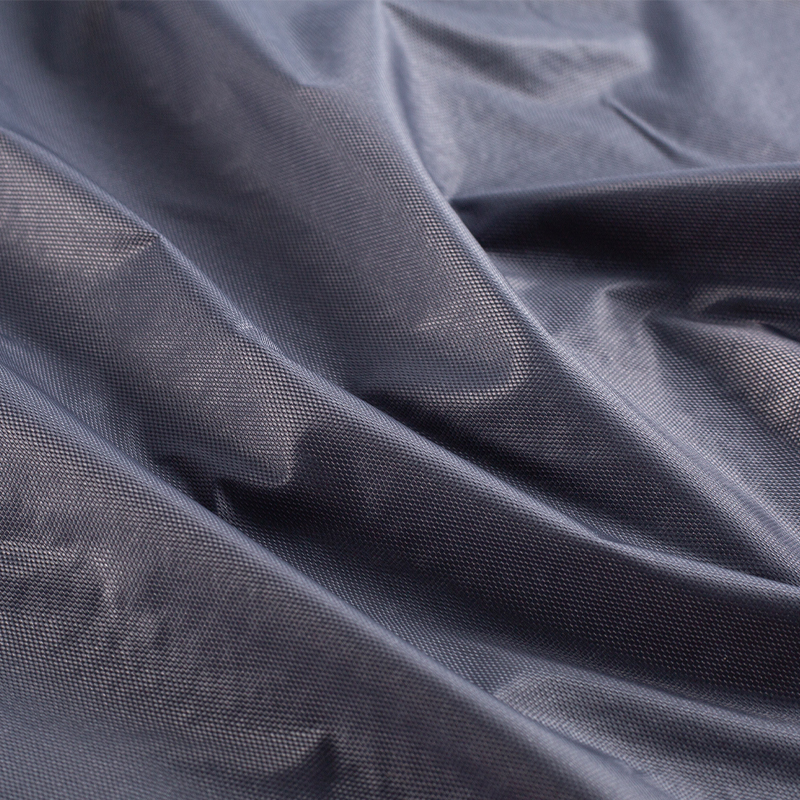
PU coated Oxford fabric with padding is built in layers: a woven Oxford base, a polyurethane coating on the face, and a padding layer that adds thickness and soft hand. The base gives the textile its body and tear behaviour. The coating forms the wipeable outer skin. The padding affects loft and how the finished item feels in use.
Because the face is coated, cleaning methods meant for open, uncoated cloth can harm the surface or drive water into the padding. Care should protect the coating and avoid soaking or crushing the pad. Treating the material as a coated, padded system rather than as ordinary fabric keeps appearance and function longer.
Gentle Methods for the Coated Face
Soft cloths, clean water and mild, diluted cleaners remove ordinary dust and light soil. Wiping is preferable to scrubbing. Hard brushing and abrasive pads can dull or scratch the coating over time.
Strong solvents, bleach and unknown household chemicals can swell, stain or crack the PU layer. When a cleaner is untested, a small hidden area should be tried first. A surface that responds to light, regular wiping needs less aggressive treatment later.
Dealing with Everyday Stains and Dirt
Dust, dried mud, food marks and finger marks are common on bags, covers and outdoor soft goods. Dry grit should be lifted or shaken off before wet wiping so it does not act like sandpaper under the cloth.
Fresh stains usually respond better than old, set residue. Blotting rather than rubbing limits spread into seams and stitching. Consistent light care keeps padded Oxford goods looking orderly without deep intervention every time.
Protecting the Coating in Daily Use
The PU layer is the barrier against light moisture and soiling. Sharp edges, rough cargo and constant friction at the same fold lines can mark or wear it. Strong chemicals and rough washing boards add risk.
Practical habits include keeping sharp tools away from the face, avoiding aggressive machine cycles when the finished product is not rated for them, and cleaning with light pressure. Coated Oxford Fabric in padded constructions benefits from handling that respects that outer skin.
Care for the Padding Layer
Padding supplies thickness and a softer compression feel. Heavy standing loads, hard wringing and unsuitable wet processes can mat or shift the fill, especially if water enters through seams or damaged coating.
Cleaning should stay as surface-focused as the product allows. When any dampness reaches the pad, thorough air drying before storage or reuse limits odour and prolonged moisture contact. The combination of Oxford base, coating and pad is what gives finished goods their structure; all three layers deserve consideration in care instructions.
Drying and Storage After Cleaning
Moisture left in seams or padding prolongs drying and can affect secondary materials such as threads and webbings. Air drying in a ventilated place suits many finished items when the manufacturer does not require a different method.
High heat from radiators or hot dryers and long spells in strong direct sun can stress coatings and colours. Storage should avoid permanent tight folds on the same lines and pressure that permanently compresses the pad. Clean, dry, loosely supported storage helps the next use start from a sound state.
Routines That Match How the Product Is Used
A daily-carry bag picks up different soil from a rarely moved protective cover. Outdoor gear may need more frequent wipe-downs than indoor organisers. Light, regular cleaning usually prevents thick build-up that later needs harsh treatment.
Periodic checks for coating scuffs, seam wear and deformed padding catch problems early. PU Coating Fabric products across bags, backpacks, covers and similar goods stay serviceable longer when care intensity follows real exposure.
Selecting Fabric That Is Easier to Maintain
Base cloth quality, coating evenness, padding stability and surface finish all affect how forgiving a finished product is in use. Uneven coating or weak lamination shows wear sooner and complicates cleaning.
Specification should match the end use: heavier wear and outdoor exposure ask for robust coating and sound lamination; lighter indoor use may prioritise hand and drape. Oxford Fabric Factory output intended for coated, padded programmes should be evaluated for cleanability as well as strength. Brands and cut-and-sew plants that plan care instructions at the design stage reduce field complaints.
Oxford Fabric Manufacturers who document recommended cleaning limits help converters and brands align product claims with real maintenance. Suitable fabric choice, mild cleaning and steady light care together support the look and use of PU coated Oxford goods with padding.
Care Step and Focus
| Care step | Focus | Avoid |
|---|---|---|
| Routine wipe | Soft cloth, mild cleaner, light pressure | Abrasive pads, hard scrubbing |
| Stain response | Prompt blotting, dry grit removed first | Spreading stains by aggressive rubbing |
| Coating protection | Limited friction, no harsh chemicals | Solvents and untested strong agents |
| Padding care | Minimal soak, full dry before storage | Heavy wring, prolonged damp storage |
| Drying | Ventilated air dry when suitable | High heat, long intense sun |
| Storage | Clean, dry, without permanent crush folds | Pressure that mats the pad permanently |
Material Choice and Steady Care Working Together
PU coated Oxford fabric with padding stays presentable when cleaning methods respect the coating, protect the pad and match the product's duty. Wujiang Yongda Silk Finishing Co., Ltd. supplies coated Oxford and related fabrics for bags, outdoor soft goods and functional textile programmes. Review of end use, coating type and care limits against fabric specification supports selection of PU coated Oxford fabric suited to products that need practical, repeatable maintenance.
Product Categories
Contact Us
 479067683@qq.com
 +86 - 512-63516211
 +86 - 15895525966
 Group 9, Qianzhuang Village, Shengze Town, Wujiang District, Suzhou City, Jiangsu Province, China
Our Products
Copyright © Wujiang Yongda Silk Finishing Co., Ltd. All Rights Reserved.
China Textile Factory
