

 English
 русский
Industry News
Home / News / Industry News / What Makes PU Coated Oxford Fabric Different from Regular Oxford Fabric

Nov 20, 2026
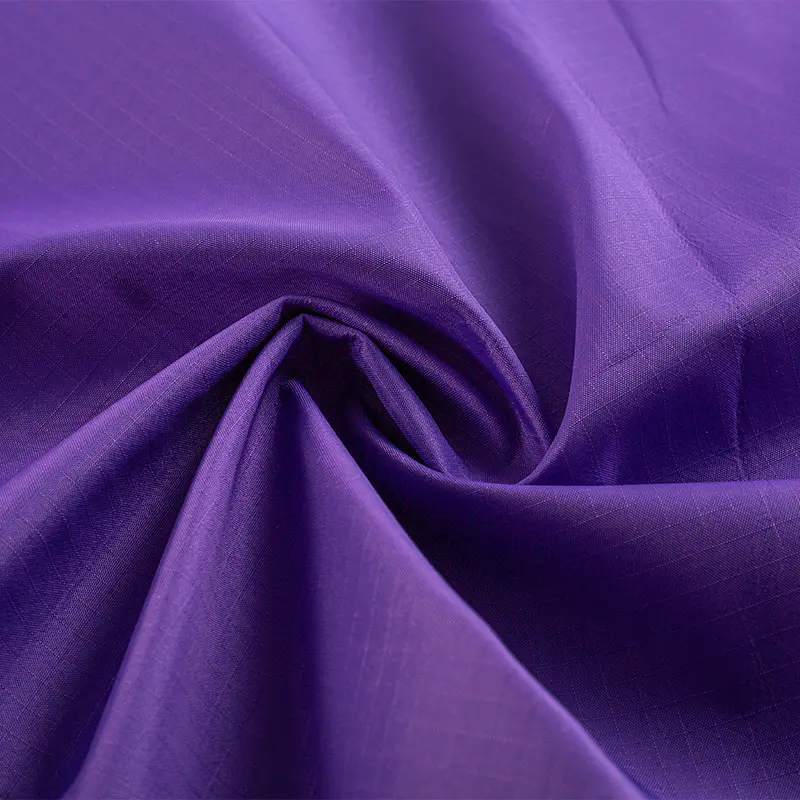
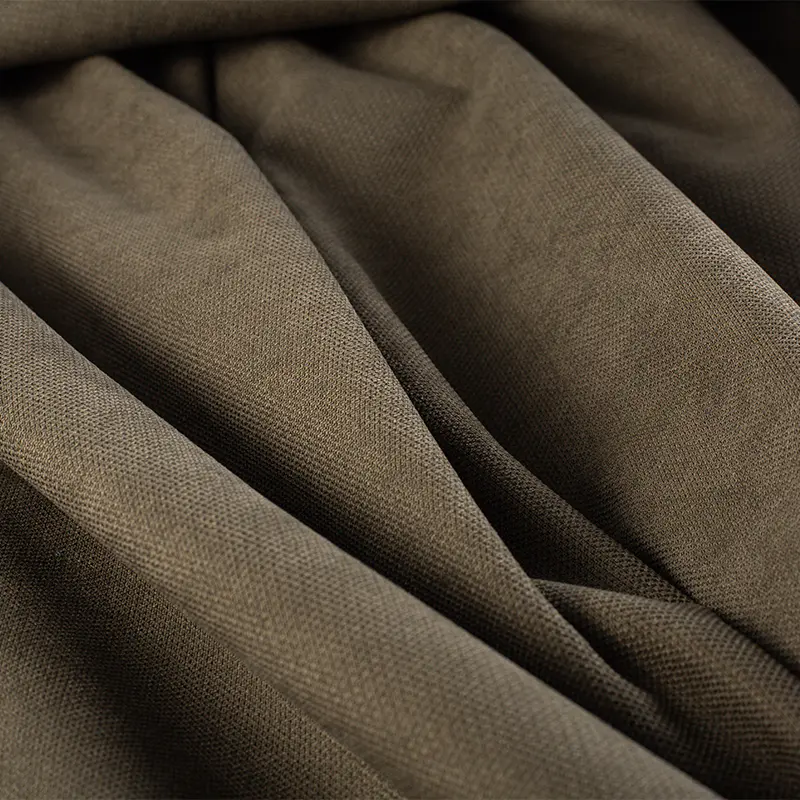
Oxford fabric is a woven textile built from warp and weft yarns arranged to give a recognisable texture and a balance of flexibility and body. Regular, uncoated Oxford shows the weave clearly on both faces, with a hand that follows the yarn and construction rather than a continuous film. Yarn choice and weave density influence how the cloth drapes, how it takes colour and how it behaves under stitching and load.
That combination of workable hand and practical strength explains wide use in bags, luggage panels, outdoor soft goods and protective covers. Uncoated Oxford remains a textile first: breathable relative to fully filmed cloths, easy to sew in many workshops and suitable where a fabric surface is preferred over a plastic-like skin.
Polyurethane coating adds a continuous or semi-continuous polymer layer on one or both faces of the Oxford base. The coating is applied as a liquid or transfer system and then set so that it bonds to the cloth. Once cured, the face no longer behaves like open weave alone; the polymer becomes the primary contact surface.
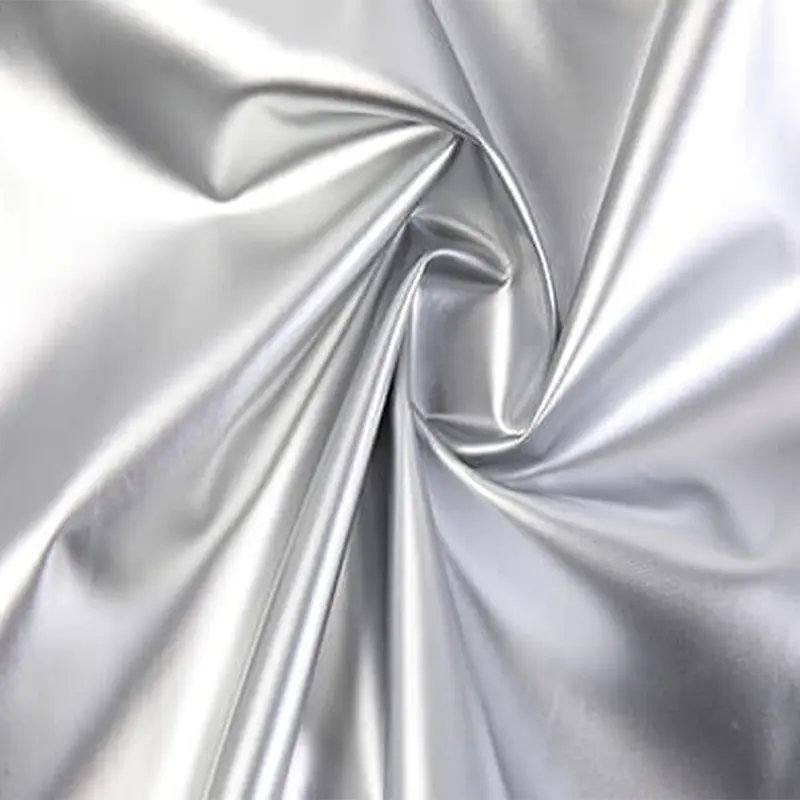
Texture and appearance shift accordingly. Coated faces often look smoother, sometimes slightly fuller, and can range from matte to low sheen depending on the finish. Coating weight and method change stiffness, opacity and how sharply the cloth creases. Coated Oxford Fabric is therefore a composite: woven structure underneath, functional skin on top.
The PU layer reduces water passage through the face by covering yarn interstices that would otherwise wick or leak under splash and rain. Regular Oxford may absorb and pass moisture more readily unless it receives a separate water-repellent treatment, and even then the protection is usually different in character from a continuous coating.
Products used in wet weather, damp storage or splash-prone travel benefit from that coated face when seams and zippers are also managed. Coating consistency across the roll matters: thin spots and misses become leak paths. PU Coating Fabric performance should be judged on the finished cloth and typical seam constructions, not on the base weave alone.
The coating shields the yarns from direct rubbing, soiling and some everyday abrasion. Dirt often sits on the film and wipes away more readily than from an open textile face. Flexibility of the coating affects whether the film cracks when the bag panel folds repeatedly; adhesion to the Oxford ground determines whether the layer peels at high-wear edges.
Durability is shared between the woven base and the coating. A strong Oxford with a poorly bonded film can fail at the interface; a modest base with a tough, well-anchored coating may still serve well in light duty. Both layers need to suit the product's flex and abrasion pattern.
PU coating typically smooths the hand and can make the cloth feel cooler or more synthetic at the surface. Flexibility may decrease slightly compared with the same uncoated Oxford, especially with heavier films, though many bag coatings are tuned to remain pliable for sewing and packing.
Appearance options include matte utility looks and cleaner, slightly reflective faces for more formal luggage. Those finishes guide product design: soft uncoated texture for casual totes, coated faces for travel bags that need wipe-clean panels. Suitability follows the intended look and the way the end user will handle the goods.
Regular Oxford suits lightweight bags, internal linings and textile products where breathability, soft hand and straightforward sewing matter more than splash resistance. PU coated Oxford is chosen when outer shells need better moisture behaviour, easier cleaning and a more sealed face—backpacks, travel bags, luggage panels and outdoor covers are typical.
Padded constructions that combine coated Oxford with foam or fibre fill add structure and a fuller shape for silhouettes that must hold volume. Material choice still depends on product structure, climate of use and assembly methods. An Oxford Fabric Factory may offer both coated and uncoated ranges so that designers can align face performance with each component of a bag.
Selection starts with whether water resistance and wipe-clean surfaces are required or whether basic textile function is enough. Surface feel, flex at folds, expected abrasion and cleaning habits should be compared next. Padding needs for cushioning or shape are a separate decision layered onto either face type.
Matching fabric to design and process includes stitch plan, tape or seam sealing where used, and appearance targets. Oxford Fabric Manufacturers support that match when they can supply consistent base cloths and documented coating styles for sampling. Appropriate construction balances function, look and manufacturability rather than maximising any single property.
| Aspect | Regular Oxford | PU coated Oxford |
|---|---|---|
| Surface | Open textile face | Polymer film over weave |
| Moisture behaviour | More absorbent unless treated | Reduced face penetration when coating is continuous |
| Hand and flex | Softer, more textile-like | Smoother; flex depends on film weight |
| Cleaning | Fibre-dependent | Often wipeable on the coated face |
| Typical uses | Linings, light bags, general soft goods | Outer shells, travel and outdoor panels |
| Design note | Breathability and soft aesthetics | Weather and soil resistance emphasis |
Side-by-side samples of coated and uncoated cloth under the same stitching and fold tests reveal differences that swatches alone hide. Roll-to-roll consistency in coating weight and adhesion protects production quality when orders repeat. Clear specification of face side, gloss level and any padding lamination avoids mixed materials on the cutting floor.
PU coated Oxford differs from regular Oxford through the added polymer face that changes moisture behaviour, abrasion contact, hand and appearance, while the woven base still supplies structure and sewability. Wujiang Yongda Silk Finishing Co., Ltd. processes and supplies Oxford and coated fabric options for bags, luggage and related soft goods. Review of product exposure, cleaning needs and design intent against coated and uncoated constructions supports appropriate fabric selection for each application.
 479067683@qq.com
 +86 - 512-63516211
 +86 - 15895525966
 Group 9, Qianzhuang Village, Shengze Town, Wujiang District, Suzhou City, Jiangsu Province, China
Copyright © Wujiang Yongda Silk Finishing Co., Ltd. All Rights Reserved.
China Textile Factory
