


 English
 русский
 Products CENTER

 Nov 27, 2026
 Industry News
Softshell and Laminated Fabrics: Construction, Features, and Applications
Walk through any outdoor gear shop and you will see softshell and laminated fabrics everywhere. They earn their place by combining weather protection, comfort, and smart layer construction. The two terms still do not mean the same thing. "Softshell" names a fabric category that balances protection with comfort. "Lamination" is a manufacturing process that bonds two or more layers into one material. Knowing how each is built, how it performs, and where it fits helps designers choose the right material for outdoor jackets, sportswear, rainwear, and workwear.
What Are Softshell and Laminated Fabrics? Structures, Materials, and Applications
What Is Softshell Fabric?
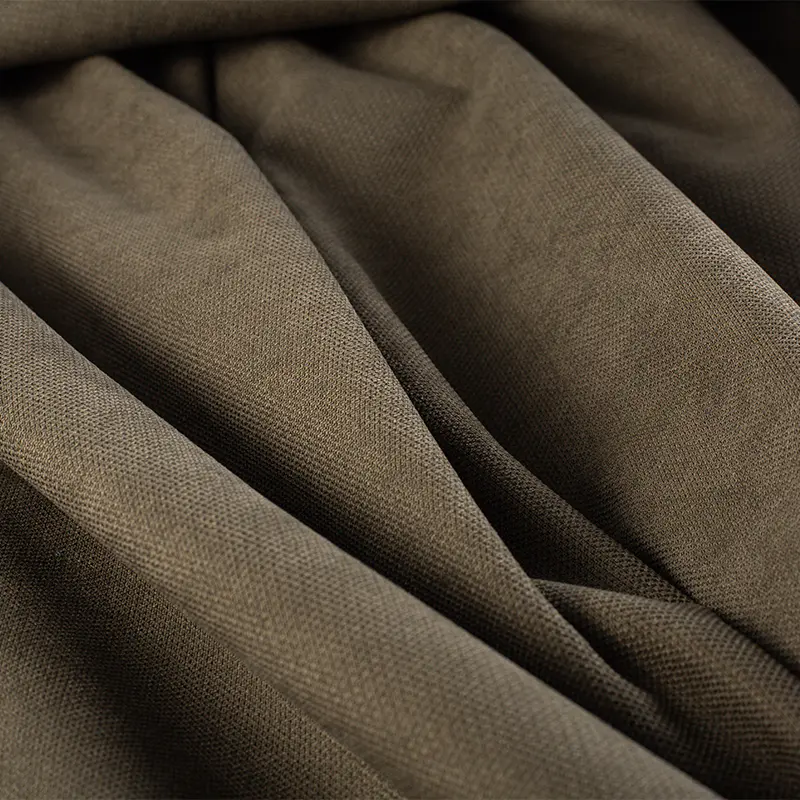
Softshell is a functional textile used in garments that need wind resistance, water resistance, flexibility, and comfort in one package. A hard protective shell focuses on defense alone. Softshell adds more: it may stretch, feel soft on the inside, or offer some warmth.
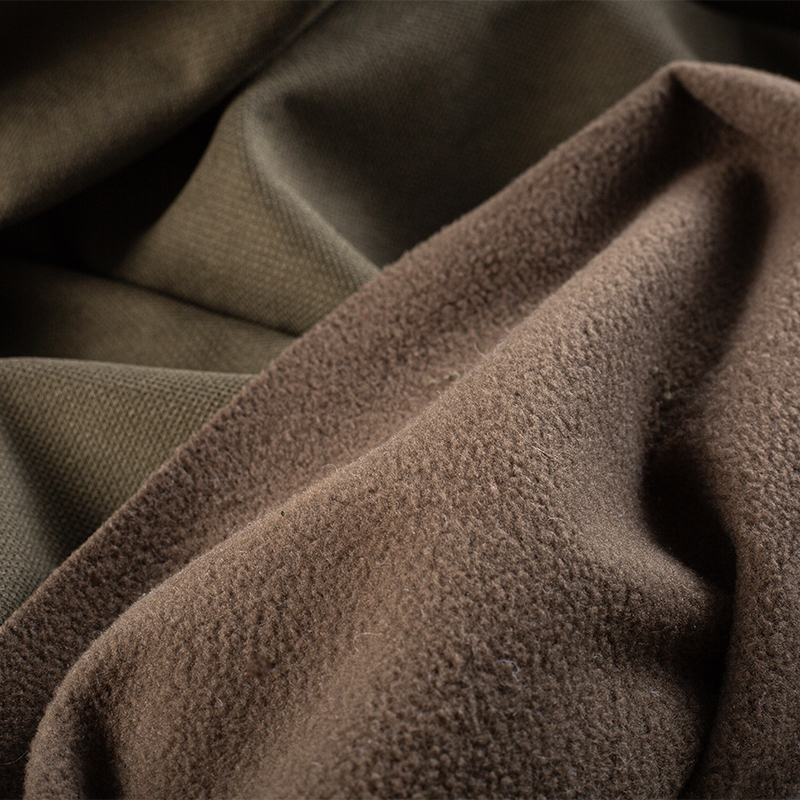
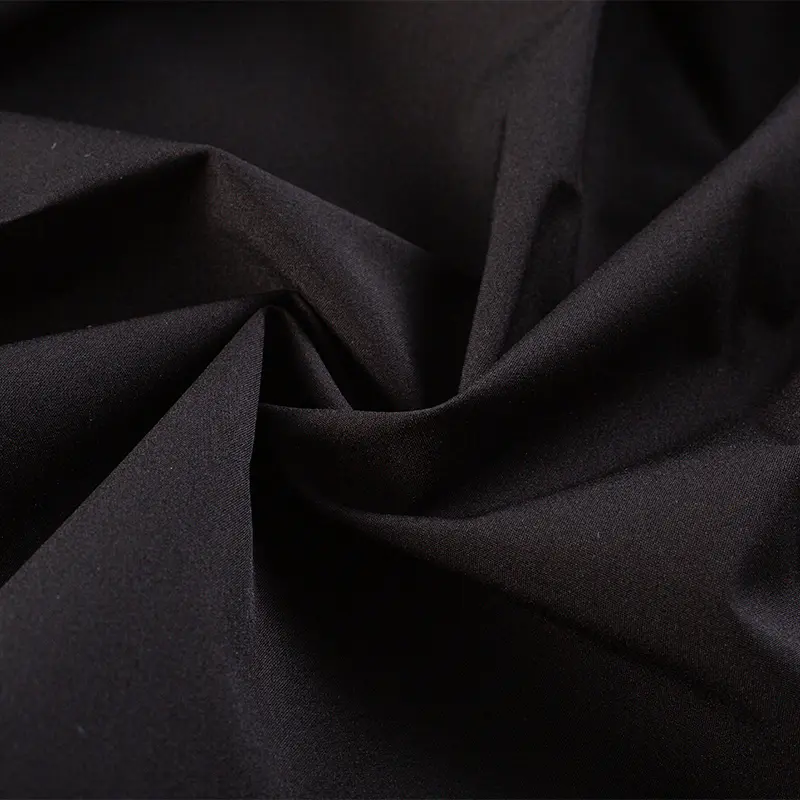
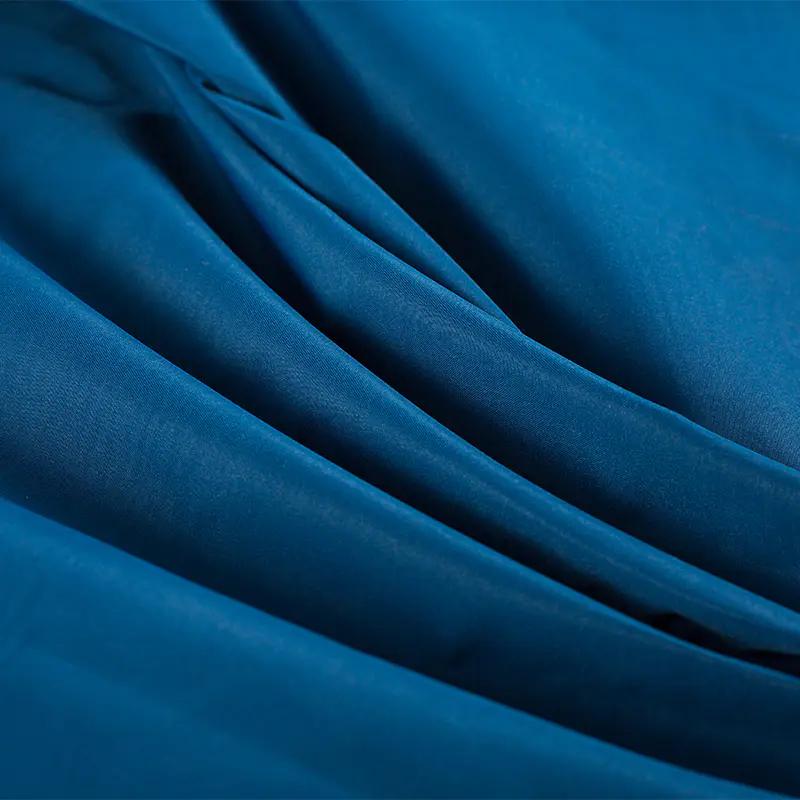
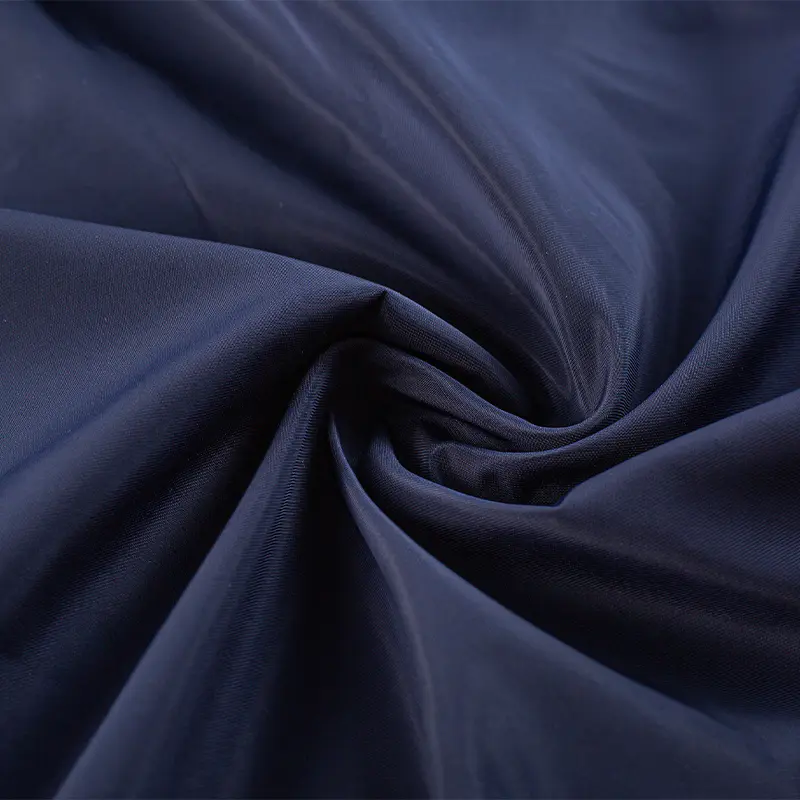
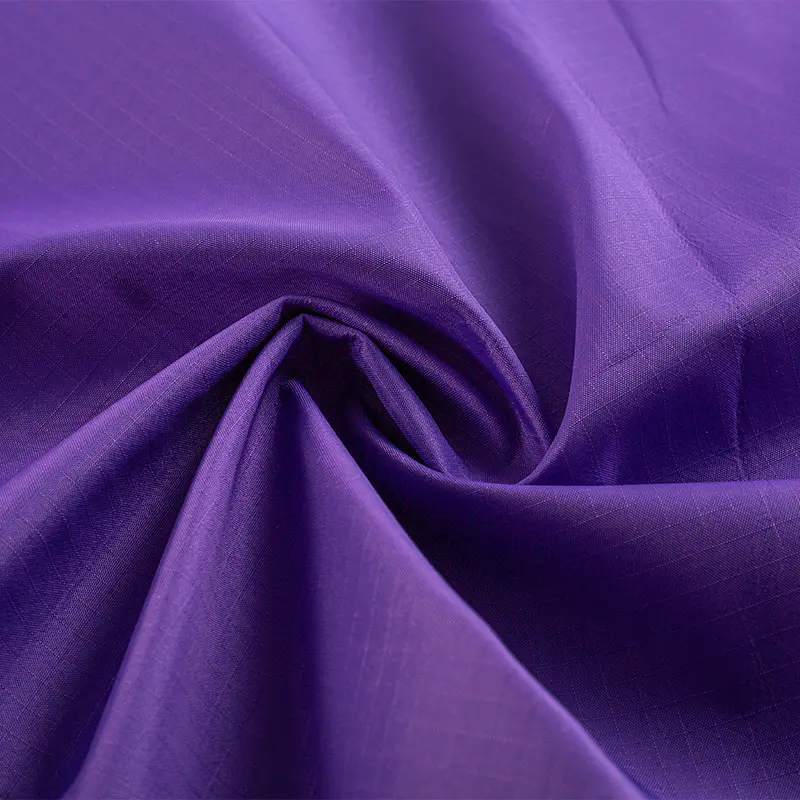
The outer fabric is usually polyester or nylon. The inner layer can be a knit, a brushed surface, or fleece. Some softshells place a membrane or film between the layers to boost wind and water resistance. Others depend on a dense textile structure and a surface treatment.

Performance comes from fiber composition, weave or knit structure, weight, finishing, and how the layers are arranged. Not every softshell is fully waterproof, so think about the weather it will face before you choose.
What Is Laminated Fabric?
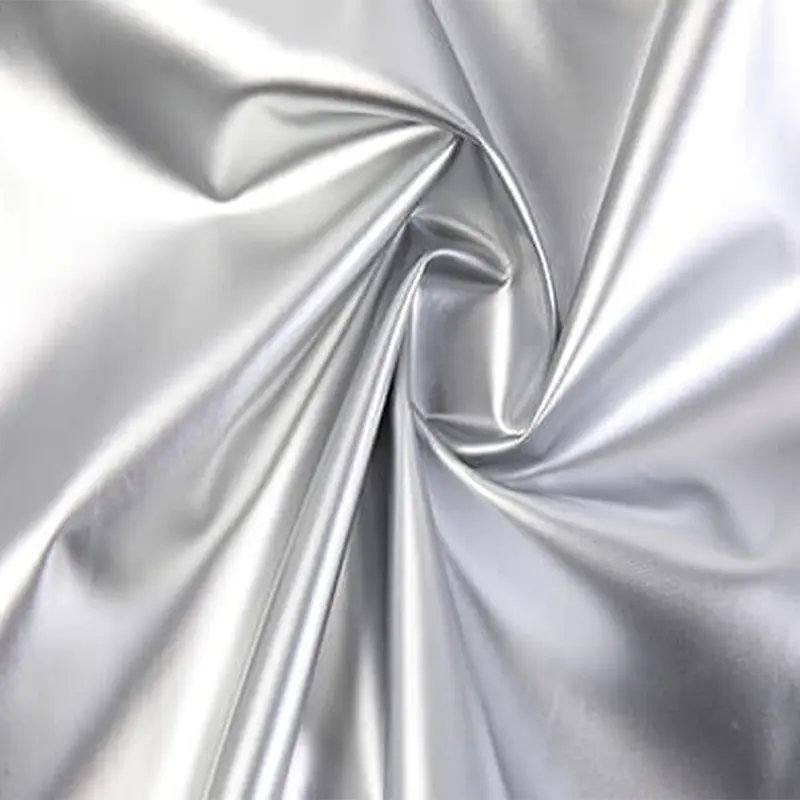
Laminated fabric is made by bonding two or more layers into one textile structure. Typical layers include a woven or knitted face fabric, a functional membrane or film, and an inner backing or lining. Bonding joins them so they work as a unit.
Polyester laminated fabric uses polyester as one or more of its components. Polyester is common in functional textiles because it offers strength, dimensional stability, and design flexibility. The end result still depends on the polyester construction, the bonded layers, and any finishes.
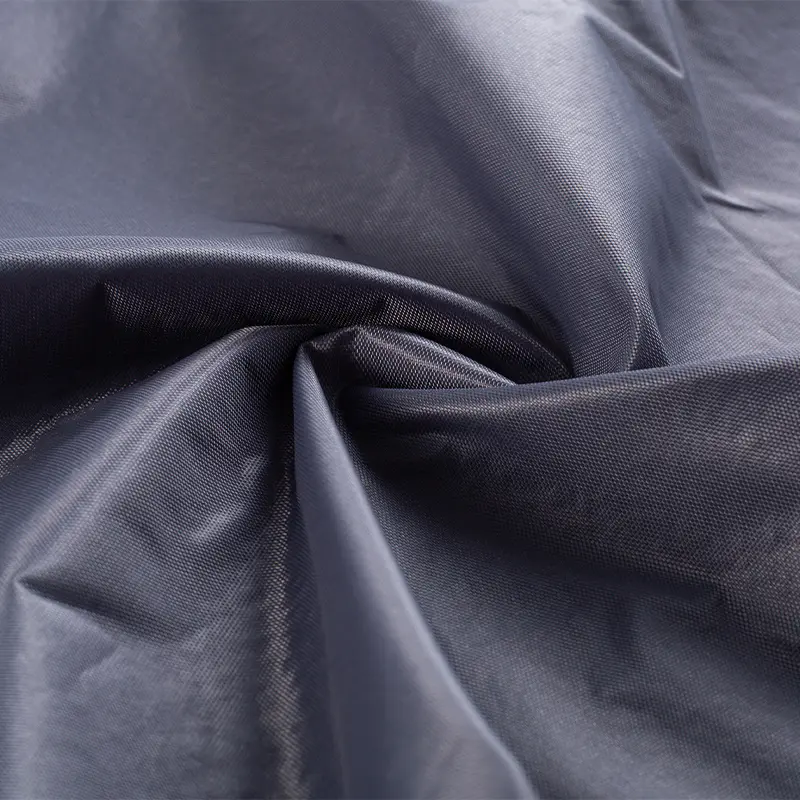
Waterproof laminated fabric is built to resist liquid water through a membrane or coating system. How waterproof it really is depends on the materials, the construction, and the test conditions. A water-repellent surface treatment alone does not make a fabric waterproof.
How Do Softshell and Laminated Fabrics Differ?
Softshell tells you what the fabric is for and what balance it strikes. Laminate tells you how the layers are put together. A softshell can be laminated, but many softshells have no membrane, and many laminates are not softshells.
| Fabric type | Typical construction | Main characteristics | Common applications |
| Conventional softshell | Dense woven or knitted textile, sometimes with a brushed inner surface | Comfort, flexibility, wind resistance, possible water repellency | Casual outdoor jackets, activewear, lightweight workwear |
| Membrane-laminated softshell | Face fabric bonded to a functional membrane and, in some designs, an inner layer | Balances weather protection and moisture-vapor transfer | Outdoor jackets, hiking apparel, performance sportswear |
| Two-layer laminate | Face fabric bonded to a membrane or functional layer, often with a separate lining | Functional barrier plus a separate inner lining for protection and comfort | Rainwear, outdoor clothing, utility garments |
| Three-layer laminate | Face fabric, membrane, and inner textile bonded together | Integrated structure with a protective inner surface | Technical outerwear, protective shells, demanding outdoor uses |
| Polyester laminated fabric | Polyester textile bonded to another textile layer, film, or membrane | Performance varies with the polyester base and laminate design | Apparel, outdoor textiles, selected functional fabric uses |
These categories overlap. A polyester face fabric can sit inside a three-layer softshell laminate, for example. Choose by the full construction, not by the product name.
Features of Softshell and Laminated Fabrics: Waterproofing, Breathability, and Layer Construction
Water Resistance, Water Repellency, and Waterproofing
Three water-related terms come up constantly, and they are not interchangeable.
- Water repellency: Water beads up and rolls off the surface instead of spreading. A surface finish usually creates this effect.
- Water resistance: The fabric resists water penetration under particular conditions. The level of protection varies with construction and treatment.
- Waterproof performance: The fabric resists liquid water penetration under specified test conditions. A membrane or coating can contribute, but seams, garment design, and construction also affect how well a finished garment protects.
A water-repellent finish may handle light moisture. It may not hold up in long or heavy rain.
Breathability and Moisture Management
Breathability is a material's ability to let water vapor through. In clothing, it helps manage the moisture your body produces during activity.
Laminates can use microporous membranes, hydrophilic membranes, or other functional layers. These block liquid water while letting vapor move out. The technologies work in different ways, and results vary with the membrane, the base fabric, the bonding process, and the test method.
Judge breathability together with waterproofing. A fabric for high-output sports needs a different balance than one for standing work in wet weather. Garment ventilation, lining, fit, and seam construction also affect comfort.
Understanding Two-Layer, 2.5-Layer, and Three-Layer Fabrics
Layer terms describe how the textile parts are arranged and joined.
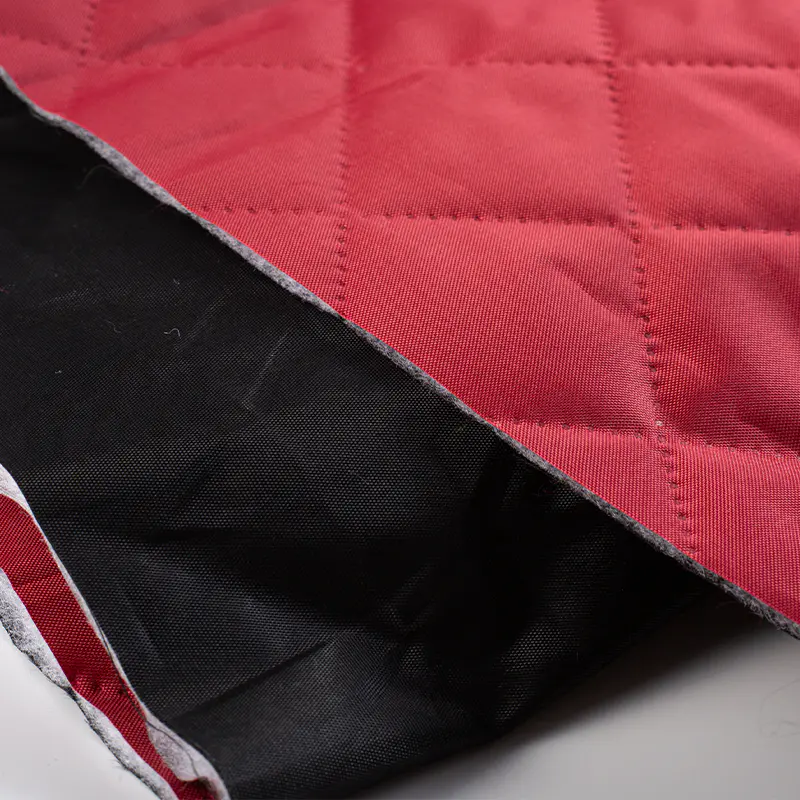
- Two-layer construction: A face fabric is bonded to a membrane or coating. A separate lining usually goes inside to protect the functional layer and add comfort. This lets you pick the lining independently of the outer fabric.
- 2.5-layer construction: A face fabric carries a membrane or coating plus a light protective layer, such as a printed or applied inner coat, instead of a full textile lining. The "half" refers to this simplified protection. The fabric does not contain half a physical layer.
- Three-layer construction: A face fabric, a membrane, and an inner textile are bonded together. The inner layer shields the membrane and gives an integrated structure. Hand feel, flexibility, weight, and durability depend on the materials and the bonding design.
No single construction fits every job. A separate lining helps when a garment needs a particular interior feel. An integrated laminate suits designs that call for a combined structure.
Key Features to Evaluate
When you compare softshell fabric, waterproof laminated fabric, and polyester laminated fabric, check these points:
- Layer structure: Identify the face fabric, the membrane or coating, and the backing or lining.
- Weather protection: Confirm whether you need water repellency, water resistance, or tested waterproof performance.
- Breathability: Check moisture-vapor performance with the relevant test method where one exists.
- Flexibility and hand feel: Decide whether you need stretch, drape, a smooth surface, or a soft brushed interior.
- Weight and thickness: Match them to the garment design and wearing conditions.
- Abrasion and bonding durability: Evaluate how the complete structure resists wear and whether layers might separate during use and washing.
- Finishing and maintenance: Review care requirements, and how washing or repeated use may affect surface treatments and laminate performance.
How to Select Fabric for Different Applications
Application considerations and potentially suitable constructions:
| Application | Key selection considerations | Potentially suitable construction |
| Hiking and outdoor jackets | Balance weather protection, mobility, and moisture management | Softshell or membrane-laminated softshell |
| Everyday outdoor apparel | Comfort, flexibility, resistance to light moisture | Softshell with a suitable surface finish |
| Rainwear | Defined waterproof requirements and garment seam design | Waterproof laminated or coated fabric |
| Sportswear | Stretch, comfort, weight, moisture management | Softshell or another performance textile chosen for the activity |
| Workwear | Resistance to the environment, durability, ease of care | Softshell or laminated fabric matched to job conditions |
| Cold-weather apparel | Wind resistance, inner comfort, required warmth | Softshell with brushed or fleece backing, or a suitable multilayer laminate |
Treat these as starting points, not fixed rules. The right material depends on the environment, the garment pattern, the construction details, and the performance level you need. When numbers matter, ask for technical data and test methods. A general fabric description is not enough.
Why Choose Yongda-Tex for Softshell and Laminated Fabric Solutions?
Choosing a softshell fabric supplier or laminated textile fabric manufacturer takes more than matching a material name. The construction has to fit the application. The technical details also need to be clear enough to support evaluation and garment development.
Yongda-Tex's softshell and laminated fabrics category is a place to start exploring options for different functional needs. As you evaluate a candidate, work through these points:
- Application requirements: Define the end use first, whether outdoor jackets, sportswear, rainwear, or workwear, before comparing materials.
- Fiber composition: Confirm whether the base is polyester or another textile, and how that ties to the performance you want.
- Layer construction: Clarify whether the material is a single textile structure, a coated fabric, or a bonded laminate, and what each layer does.
- Performance documentation: Request available specifications for water resistance, waterproofing, breathability, weight, thickness, and other relevant properties.
- Processing compatibility: Check that flexibility, thickness, surface, and care needs suit the garment design and your manufacturing process.
If your project needs a set level of weather protection or comfort, write measurable requirements into the specification wherever you can. Words like "waterproof," "breathable," and "wind-resistant" mean more when backed by clear test methods and agreed performance criteria.
Yongda-Tex can be considered a source for softshell fabric, waterproof laminated fabric, polyester laminated fabric, and related textile options. Review the available product details and confirm application-specific requirements with the company directly. Verify composition, construction, performance values, and customization options for each individual fabric. The category name will not tell you.
Good choices start with one distinction: the textile itself is one thing, and the technology used to build it is another. Compare layer structure, weather resistance, breathability, comfort, and end-use needs side by side. That gives fabric developers a firmer basis for picking a construction that fits the product.
 479067683@qq.com
 +86 - 512-63516211
 +86 - 15895525966
 Group 9, Qianzhuang Village, Shengze Town, Wujiang District, Suzhou City, Jiangsu Province, China
