


 English
 русский
 Products CENTER

 Nov 27, 2026
 Industry News
Stretch Fabrics: Types, Performance Features, and Applications in Trousers and Functional Apparel
Sit down, bend over, climb a flight of stairs: a good pair of trousers lets you do all of it without a fuss. Stretch fabrics make that possible. They help with movement and fit, and they have to hold their shape through a full day of wear. The same goes for workwear, sportswear, and outdoor clothing. Designers who understand how stretch is created, how recovery differs from elongation, and how construction affects durability can judge Stretch Fabrics more accurately. They can also match materials to the garment far more precisely.
What Is Stretch Fabric? Types, Materials, and Common Applications
What Is Stretch Fabric?
Stretch fabric is a textile that extends under force. Depending on its construction and materials, it then recovers toward its original size when the force is released. It can be woven or knitted. Makers get the stretch from mechanical construction, elastic fibers, or a mix of the two.
Two properties matter most:
- Stretch or elongation: How far the fabric extends under a specified force or load.
- Stretch recovery: How well the fabric returns toward its original dimensions afterward.
Easy stretch does not guarantee good recovery. Take a trouser fabric that moves comfortably when the wearer sits or bends. If recovery is weak, the knees and seat can turn baggy after repeated wear.

Stretch performance depends on fiber composition, yarn structure, fabric construction, finishing, and test conditions. The words "stretch fabric" do not give you a stretch percentage or promise a level of durability.
Main Types of Stretch Fabrics
Stretch fabrics can be sorted by how the elasticity is produced and by the directions in which they extend.
- Mechanical stretch fabric: Mechanical stretch comes from construction, yarn characteristics, or finishing techniques. The fabric extends without necessarily containing elastane. Some woven structures give comfort stretch through yarn crimp and the way yarns move within the cloth. It suits garments that need moderate flexibility while keeping a woven look and a fairly structured hand. Actual stretch and recovery depend on the construction and the finishing process.
- Elastane stretch fabric: Elastane, also called spandex, is an elastic fiber that extends a great deal and recovers toward its original length. It is often blended with polyester, nylon, cotton, or other fibers. You will find it in trousers, denim, fitted apparel, and performance clothing. Having elastane in the blend does not fix the final stretch or recovery. Yarn construction, elastane proportion, fabric density, heat setting, and care conditions all play a part.
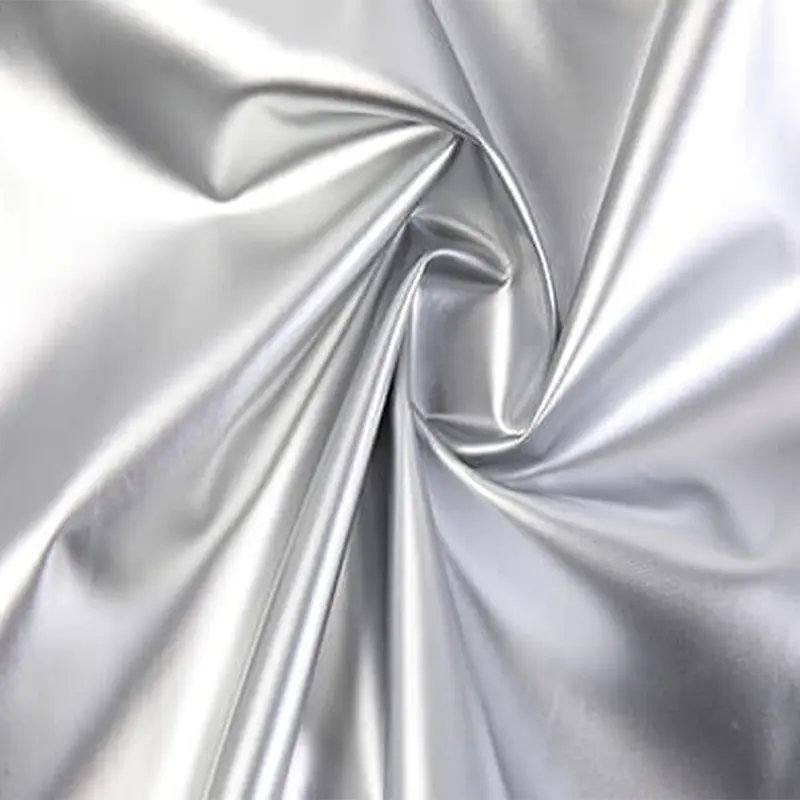
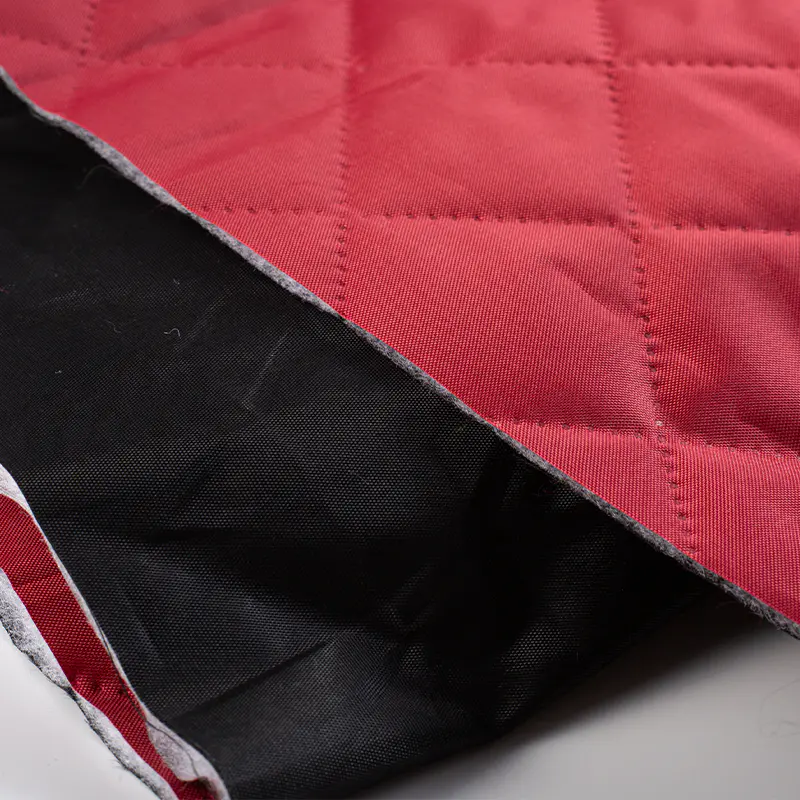
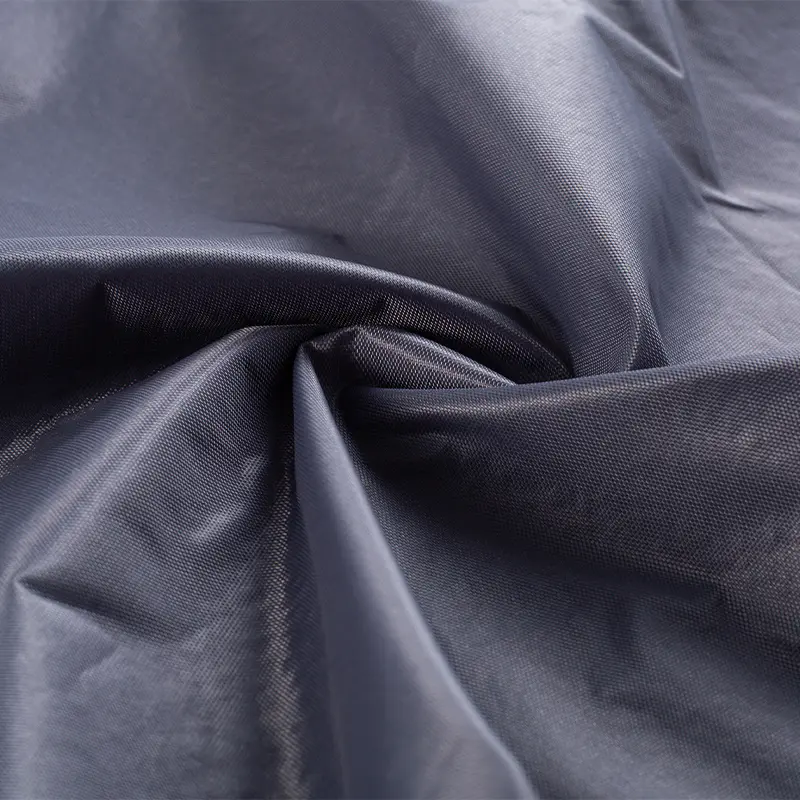
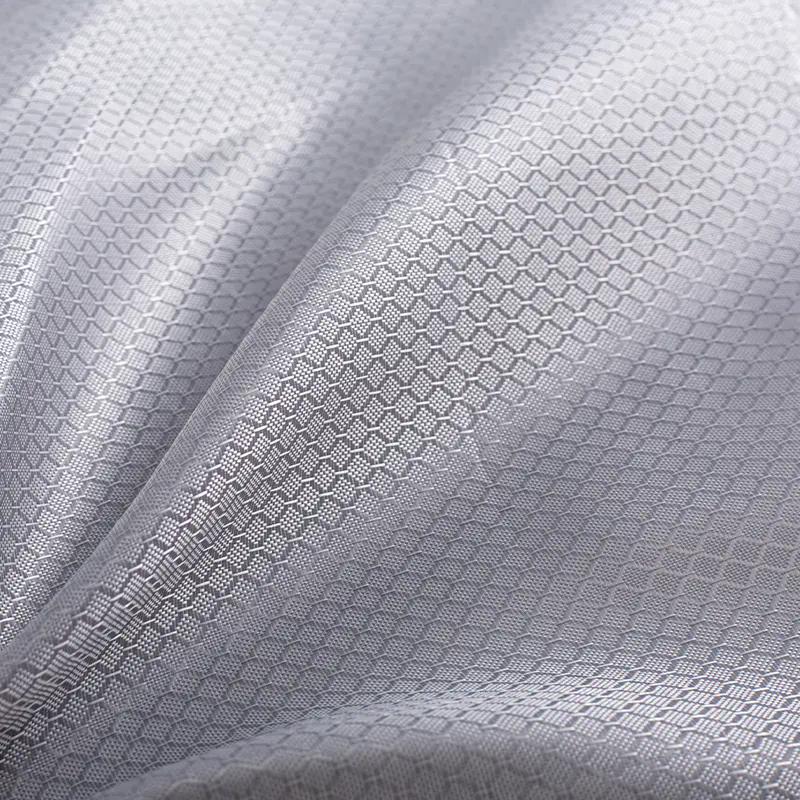
- Stretch woven fabric: Stretch woven fabric pairs a woven structure with mechanical stretch, elastic yarns, or both. It is a common choice for trousers, uniforms, workwear, and outerwear that need structure, mobility, and shape retention together. Woven fabrics often give a more defined silhouette than many knits. Hand feel and flexibility still vary a lot between constructions.
- Stretch knit fabric: Stretch knit fabric is built from interlooped yarns, which let the structure extend. Some knits rely mainly on loop geometry. Others add elastane or other stretch yarns. Knitted stretch fabrics are common in sportswear, activewear, and fitted garments, wherever flexibility is a priority. Performance depends on knit structure, fiber content, fabric weight, and finishing.
What Is the Difference Between Two-Way and Four-Way Stretch Fabric?
Two-way stretch fabric extends mainly in one direction. Four-way stretch fabric extends both lengthwise and crosswise. Terminology and measured performance can differ by product specification and testing practice.
- Two-way stretch: Often enough when flexibility is needed mostly in one direction, such as across the body or around the legs.
- Four-way stretch: Moves in both fabric directions, which can help garments that need multidirectional flexibility.
These labels describe direction, not a guaranteed amount of stretch. A four-way fabric does not automatically recover better or last longer than a two-way one. Assess both stretch and recovery in the directions that matter.
Common Materials Used in Stretch Fabrics
| Material or construction | Role in the fabric | Considerations for performance |
| Polyester | Versatile synthetic base for woven and knitted textiles | Depends on yarn construction, weave or knit, finishing, and fabric weight |
| Nylon | Used where strength, flexibility, or abrasion performance matters | Durability and comfort vary with the specific construction |
| Cotton | Adds a natural hand feel and moisture absorption | Stretch may come from the structure or from blending with elastic fibers |
| Elastane / Spandex | Adds substantial extensibility and elastic recovery | Depends on proportion, yarn design, processing, and care |
| Mechanical-stretch construction | Creates extension through yarn or fabric structure, without necessarily adding elastane | Amount and recovery of stretch depend on the textile design |
These materials combine in many ways. Polyester and elastane might go into a stretch woven for trousers, for instance. A mechanically stretchable woven can also reach useful flexibility with no elastane at all.
Common Applications of Stretch Fabrics
Stretch fabrics appear across apparel:
- Trousers and casual pants: Extra freedom when walking, sitting, and bending.
- Workwear and uniforms: Can help with repeated movement, depending on garment design and required durability.
- Sportswear and activewear: May support flexibility during exercise and dynamic movement.
- Outdoor apparel: Can improve mobility in garments for hiking, travel, and other outdoor activity.
- Denim and fitted garments: Can combine body fit with comfort in motion when stretch and recovery are balanced.
The ideal construction depends on how the garment is worn. Structured work trousers and a close-fitting sports top may both use stretch fabric. Their needs for flexibility, abrasion resistance, drape, and shape retention can still be very different.
Features of Stretch Fabrics: Stretch Recovery, Durability, and Performance
Stretch and Recovery: Why Both Properties Matter
Stretch and recovery are closely linked, yet they measure different behavior.
Stretch is the extension produced by a specified force. It shows how much the fabric can move with the body under defined conditions.
Recovery is the fabric's ability to return toward its original dimensions once the force is gone. Good recovery helps a garment keep its intended fit after sitting, walking, bending, and other repeated movement.
Growth or residual deformation is the extension that remains after the load is removed and the fabric has had a defined time to recover. Too much of it leads to bagging, sagging, and changes in garment shape.
For trousers, the distinction is critical. A fabric can stretch comfortably when the wearer bends and still lose shape if recovery is poor. Looking at both properties gives a far more useful picture than looking at stretch alone.
Where these properties are critical, measure them with a suitable test method under defined conditions. ASTM D3107, for example, covers stretch, growth, and recovery in woven fabrics made with stretch yarns. Compare results only when the methods and conditions are compatible. Results from different methods are not interchangeable.
What Makes a Durable Stretch Fabric?
A durable stretch fabric keeps its useful physical and elastic properties through its intended service life. No single measurement settles durability, and elastane content alone does not either.
Key factors include:
- Stretch recovery: Returning toward original dimensions after repeated extension.
- Abrasion resistance: Withstanding surface rubbing during wear.
- Tear and tensile strength: Resisting tearing or breaking under force.
- Dimensional stability: Keeping intended size and shape through use and care.
- Pilling resistance: Resisting the formation of small fiber balls on the surface.
- Care durability: Retaining required properties after appropriate washing and upkeep.
Fiber composition, yarn structure, weave or knit construction, finishing, and care conditions all influence these properties. A fabric can do well in one area and give up something in another. More flexibility does not automatically mean better abrasion resistance, and a heavier fabric is not always more durable.
So judge a Durable Stretch Fabric against its intended use. Work trousers may need different abrasion and tear performance than lightweight casual trousers. Activewear may put more weight on repeated stretch, recovery, and comfort.
Factors That Affect Stretch Fabric Performance
Several factors shape how a stretch fabric behaves on the body.
- Fiber composition and elastane content: Elastane gives substantial extension and recovery, and polyester, nylon, cotton, and other fibers add their own traits. The outcome depends on how the fibers are combined and processed.
- Yarn construction: Textured yarns, covered elastic yarns, and other yarn designs can change stretch, hand feel, and recovery.
- Fabric structure: Weave and knit structures control how yarns interact and move when the fabric extends. Woven and knitted fabrics can behave differently even with similar fiber content.
- Weight and density: Weight, thickness, and density affect drape, structure, comfort, and response to movement. Consider them together. None of them alone signals quality.
- Finishing and heat setting: Suitable processing helps set the intended dimensions and performance. What works depends on the fiber and the construction.
- Use and maintenance: Repeated extension, abrasion, washing, drying temperature, and other care conditions can change appearance, dimensions, and elastic performance over time.
When you evaluate a fabric, trust technical specifications and relevant test data. Fiber names and first-touch hand feel can mislead.
Choosing Stretch Fabric for Trousers
Stretch Fabric for Trousers has to balance comfort in motion, garment structure, and shape retention. The right balance depends on the trouser style and how they will be worn.
- Everyday and casual trousers: Moderate stretch usually works well. It allows comfortable sitting, walking, and bending without making the fabric feel too soft or unstable.
- Work trousers: Depending on the job, priorities may include mobility, abrasion resistance, tear strength, and dimensional stability. Reinforcement and garment construction also shape the finished result.
- Outdoor trousers: Movement, fabric weight, weather exposure, and upkeep may all matter. The fabric should suit the activity and not lean on stretch alone.
- Structured trousers and uniforms: A defined look may matter as much as ease of movement. Evaluate drape, surface appearance, recovery, and resistance to deformation together.
When comparing fabrics for trousers, ask:
- Does the fabric extend comfortably during sitting, bending, and walking?
- Does it recover well after repeated movement?
- Does it hold its shape at the knees, seat, and waist?
- Are the weight and hand feel right for the garment style and climate?
- Can it handle the expected abrasion and care conditions?
- Where required, is there technical information to support stretch, recovery, and durability?
The best trouser fabric is not the one with the most stretch. It is the one whose flexibility, recovery, structure, and durability fit the garment.
Performance Stretch Fabric for Different Applications
| Application | Key performance priorities | What to check when selecting fabric |
| Trousers and casual pants | Movement comfort, shape retention, suitable drape | Stretch direction, recovery, weight, dimensional stability |
| Workwear | Mobility, abrasion resistance, tear strength, care durability | Fabric construction, strength data, recovery, intended working conditions |
| Sportswear | Flexibility, comfort, repeated stretch, moisture management | Stretch in relevant directions, recovery, weight, knit or woven structure |
| Outdoor apparel | Mobility, durability, comfort, fit for environmental conditions | Fiber composition, construction, stretch recovery, any added weather-related requirements |
One fabric will rarely suit all four. Start from the end use, then pick the performance properties that support it.
Stretch lets a garment move with the wearer. Recovery lets it keep its shape afterward. Mechanical stretch and elastane-based stretch are two routes to flexibility, and woven and knitted constructions give fabrics different characters. For trousers, workwear, sportswear, and outdoor apparel, the most useful approach is to match stretch, recovery, durability, and structure to the intended application.
Review these factors and check the relevant product information. That gives fabric developers a firm basis for exploring stretch fabric solutions from Yongda-Tex.
 479067683@qq.com
 +86 - 512-63516211
 +86 - 15895525966
 Group 9, Qianzhuang Village, Shengze Town, Wujiang District, Suzhou City, Jiangsu Province, China
